
Dental implants in Ashland, MA, can take several months because the implant must become securely integrated with the surrounding jawbone before it can support a permanent replacement tooth. This natural healing process, called osseointegration, is essential for creating a stable foundation for a crown, bridge, or implant-supported denture.
The total timeline is different for every patient. Your bone health, the location of the missing tooth, the number of implants needed, your healing response, and whether you require preparatory treatment can all affect how long the process takes.
At Ashland Family and Implant Dentistry, Dr. Ali Almaawi, DDS, FICOI, plans, places, and restores dental implants in the same Ashland office. Keeping treatment with one clinical team helps make communication, follow-up care, and each stage of the process more manageable.
Already considering an implant? Explore your dental implant treatment options in Ashland or call Ashland Family and Implant Dentistry at 508-881-7700 to request a free implant consultation.
Why Does the Dental Implant Process Take Several Months?
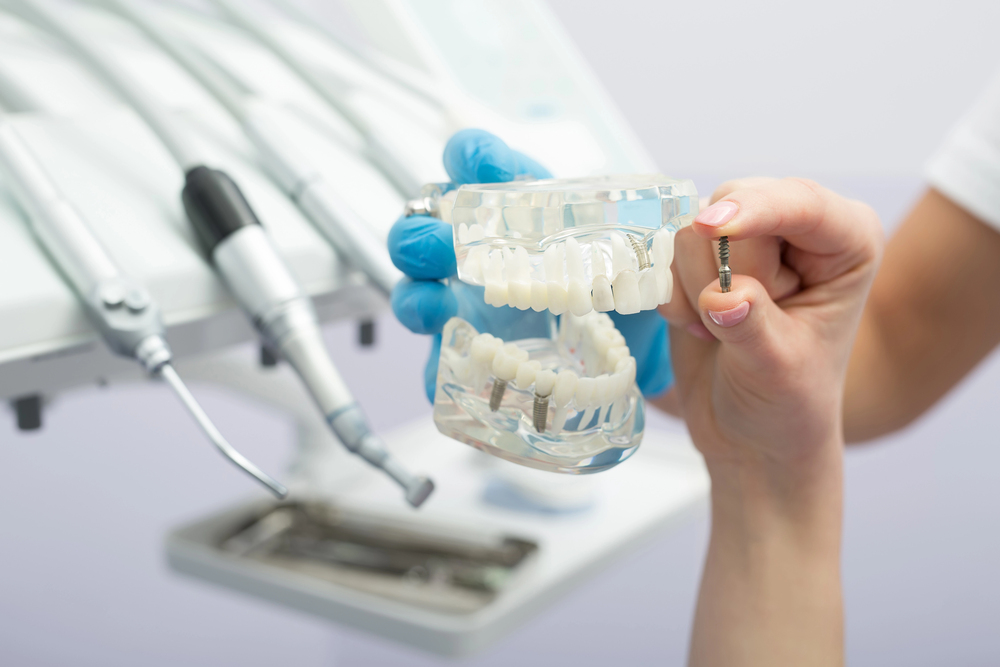
A dental implant replaces more than the visible part of a missing tooth. The implant post is placed in the jawbone, where it serves as an artificial tooth root. Before the final restoration can be attached, the surrounding bone must heal around the implant and hold it securely in place.
The American Dental Association explains that osseointegration means the implant combines with the bone. This process can take several months, although some patients may qualify for a temporary or immediate restoration depending on their individual condition.
The healing period is not simply a waiting period. It allows the implant to develop the stability needed to support everyday chewing and long-term function. Moving forward before sufficient integration has occurred could affect the implant’s stability, which is why Dr. Almaawi monitors healing before beginning the final restorative phase.
Your Dental Implant Timeline from Consultation to Final Tooth
Although every treatment plan is personalized, most implant cases include several key stages. Some stages may be completed together, while others require additional healing time between appointments.
1. Consultation, Examination, and 3D Imaging
Your treatment begins with an evaluation of your teeth, gums, bite, bone structure, and medical history. Dr. Almaawi uses 3D cone beam CT imaging when indicated to evaluate bone volume and important anatomical structures around the proposed implant site.
This information helps determine whether an implant is appropriate, where it should be positioned, and whether another procedure may be needed first. You will also receive a personalized timeline rather than a one-size-fits-all estimate.
2. Tooth Extraction or Infection Treatment, When Necessary
If a damaged or failing tooth is still present, it may need to be removed before implant placement. Active gum disease or infection may also need to be addressed so the implant can be placed in a healthier environment.
In some cases, an implant can be placed during the same appointment as an extraction. In others, the area may need time to heal first. The appropriate sequence depends on the condition of the tooth, surrounding bone, and soft tissue.
3. Bone Grafting or a Sinus Lift, When Necessary
An implant needs adequate bone support. If bone has been lost because of long-term tooth loss, infection, gum disease, or another condition, Dr. Almaawi may recommend bone grafting before or during implant placement.
Bone grafting can extend the treatment timeline because the graft may need to heal and develop sufficient strength before it can support an implant. According to the Cleveland Clinic’s dental bone graft guidance, the amount of healing time can vary significantly according to the procedure and the patient’s condition.
4. Dental Implant Placement
During implant placement, the implant post is positioned in the planned area of the jawbone. The procedure is performed with local anesthesia, and additional comfort options may be discussed based on your needs and treatment plan.
Dr. Almaawi performs implant placement at Ashland Family and Implant Dentistry, so patients do not need to travel between separate surgical and restorative offices. You will receive instructions for protecting the area and managing the initial recovery period.
5. Osseointegration and Follow-Up Visits
Once the implant has been placed, osseointegration begins. The American Association of Oral and Maxillofacial Surgeons describes this stage as the fusion of the implant with the surrounding bone. New bone cells gradually grow and attach around the implant, helping hold it securely in place.
This phase commonly takes several months. Dr. Almaawi schedules follow-up visits as needed to monitor the implant site, evaluate healing, and determine when the implant is ready for the next stage.
Want to know how long your individual treatment may take? Request a personalized dental implant consultation or call 508-881-7700 to speak with the Ashland dental team.
6. Abutment and Final Restoration Placement
After the implant has integrated sufficiently, an abutment may be attached. The abutment is the connector between the implant post and the visible replacement tooth.
Your final restoration may be a crown, bridge, implant-supported denture, or full-arch prosthesis. Digital scanning and restorative planning help the team design a restoration that fits your bite and complements your smile.
Dental Implant Timeline at a Glance
| Treatment stage | What happens | Possible effect on the timeline |
|---|---|---|
| Consultation and planning | Examination, medical history review, and imaging when indicated | Establishes your personalized treatment sequence |
| Preparatory care | Extraction, infection treatment, bone grafting, or sinus treatment when needed | May add healing time before implant placement |
| Implant placement | The implant post is positioned in the jawbone | Begins the osseointegration phase |
| Osseointegration | Bone heals around and stabilizes the implant | Commonly requires several months |
| Final restoration | An abutment and crown, bridge, or denture are attached | Completed after adequate stability is confirmed |
What Can Make the Implant Process Take Longer?
No two patients heal at exactly the same rate. Factors that may affect your treatment timeline include:
- The amount and density of available jawbone
- Whether a tooth extraction is required
- Whether bone grafting or a sinus lift is needed
- The location and number of implants being placed
- The health of the surrounding gum tissue
- Your general health and healing response
- Tobacco or nicotine use
- Active infection or uncontrolled gum disease
- Following postoperative and oral hygiene instructions
These factors do not automatically prevent someone from receiving an implant. They help Dr. Almaawi determine the safest sequence of care and establish realistic expectations before treatment begins.
Will You Have a Temporary Tooth While the Implant Heals?
Many patients are concerned that they will need to live with a visible gap throughout the healing period. Depending on the location of the implant, bite pressure, bone stability, and type of restoration, a temporary tooth may be available.
Temporary options can include a removable appliance, temporary bridge, temporary denture, or provisional implant restoration. Not every patient is a candidate for the same solution, and a temporary restoration must be designed so it does not interfere with healing.
Dr. Almaawi will explain which option is appropriate for your case and how to care for it while the implant integrates.
What to Expect During the First Days After Implant Placement
Some soreness, swelling, bruising, or minor bleeding can occur after implant surgery. Your experience will depend on the number of implants placed and whether another procedure, such as an extraction or graft, was completed at the same time.
You may be instructed to eat softer foods, avoid chewing directly over the surgical site, keep the area clean according to your postoperative instructions, and temporarily limit strenuous activity. Follow the instructions provided by your dental team rather than relying on general online recommendations.
Contact the office if you experience symptoms that concern you or if your recovery does not appear to be progressing as expected. The American Association of Oral and Maxillofacial Surgeons’ implant-healing resource also provides general information about recovery and osseointegration.
How Dr. Ali Almaawi Makes the Implant Journey More Comfortable
A multi-month treatment plan can feel less overwhelming when you understand what is happening and know who to contact with questions. At Ashland Family and Implant Dentistry, Dr. Almaawi and the same clinical team manage your care from planning through final restoration.
Implant Care in One Ashland Office
Dr. Almaawi places and restores dental implants in-house. This continuity can reduce the need to coordinate appointments, records, and treatment decisions between multiple offices.
Detailed Treatment Planning
Three-dimensional imaging and digital scanning help the team assess bone anatomy, plan implant placement, and design the final restoration. These tools also make it easier to show patients what is being evaluated and why a specific treatment sequence is recommended.
Clear Communication at Every Stage
You will receive an explanation of the proposed procedure, expected healing stages, follow-up schedule, and available restoration options. Dr. Almaawi adjusts the plan according to your clinical needs rather than promising the same timeline to every patient.
Comfort and Temporary-Tooth Options
The team can discuss appropriate comfort measures before treatment and temporary restoration options when clinically suitable. You will also receive postoperative guidance to help protect the surgical area during healing.
You can learn more about Dr. Ali Almaawi and the Ashland dental team before scheduling your consultation.
Is a Dental Implant Worth the Wait?
The treatment timeline may seem long when compared with a removable tooth replacement, but the healing period is what allows the implant to function as a stable foundation within the jawbone.
Dental implants may be used to replace one tooth, support a bridge, stabilize a denture, or restore an entire arch. Because the correct treatment depends on your bone structure, oral health, and goals, the best starting point is a clinical evaluation rather than an online timeline estimate.
A consultation also gives you an opportunity to discuss costs and payment arrangements. Ashland Family and Implant Dentistry accepts major credit cards and offers financing through CareCredit, Cherry, and Proceed Finance. You can review the practice’s dental payment and financing options before your visit.
Frequently Asked Questions About the Dental Implant Timeline
How long does a dental implant take from start to finish?
Many implant cases take several months because the implant must integrate with the jawbone before receiving the final restoration. Your complete timeline may be shorter or longer depending on healing, bone availability, extractions, grafting, and the type of restoration being placed.
Why does osseointegration take several months?
Osseointegration is a biological healing process. Bone cells gradually grow and attach around the implant, creating the stability needed to support a replacement tooth. The process cannot be accurately reduced to the same number of weeks for every patient.
Can dental implants be completed in one day?
Some patients may qualify for an implant and temporary restoration during the same appointment. This does not necessarily mean that biological healing is complete or that the permanent restoration is placed that day. Immediate treatment depends on implant stability, bone quality, bite forces, and other clinical factors.
Does a bone graft extend the implant timeline?
It can. A graft may need time to heal and form adequate support before implant placement. In some cases, grafting and implant placement can occur together, while other cases require separate healing stages.
Can I work while my implant heals?
Many patients return to normal routines after the initial recovery period, but the appropriate amount of time away from work depends on the procedure, your occupation, and how you feel. Follow the personalized activity instructions provided by your dental team.
Will I have a temporary tooth?
A temporary restoration may be available, especially when the missing tooth is visible. The type of temporary tooth and when it can be used depend on the implant’s location, stability, and treatment plan.
How will Dr. Almaawi know when the implant has healed?
Dr. Almaawi evaluates the implant site during follow-up visits and assesses whether sufficient stability and healing have occurred before proceeding with the final restoration. The decision is based on your clinical progress rather than time alone.
When can I eat normally after implant surgery?
You may need to begin with softer foods and avoid chewing directly on the implant site. Your diet can gradually change as the area heals, but you should follow the specific instructions provided after your procedure.
Request a Personalized Dental Implant Timeline in Ashland
Several months can feel like a long time when you are ready to replace a missing tooth, but each stage serves an important purpose. Careful planning, adequate healing, and appropriate follow-up help establish the stable foundation needed for your final restoration.
Dr. Ali Almaawi, DDS, FICOI, provides complete implant care at Ashland Family and Implant Dentistry, from consultation and 3D planning through implant placement and restoration. New patients can request a free dental implant consultation to receive an individualized assessment, treatment sequence, and estimated timeline.
Contact Ashland Family and Implant Dentistry to request your implant consultation, or call 508-881-7700 to speak with the team. The office is located at 37 Main Street in Ashland and serves patients throughout MetroWest, including Framingham, Hopkinton, Holliston, Natick, Southborough, and Milford.
You can also view Ashland Family and Implant Dentistry on Google Maps for directions and practice information.