
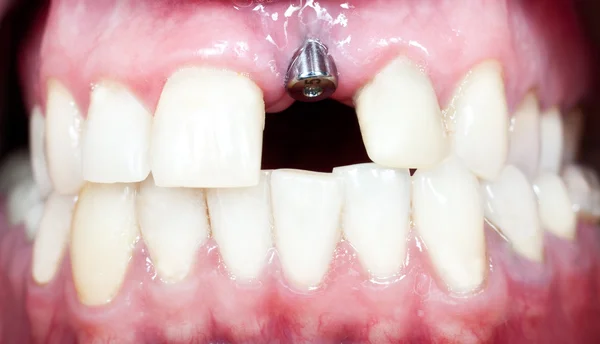
The fastest way to replace multiple missing teeth in Ashland, MA, depends on where the gaps are located and whether you want a removable or fixed solution. Traditional dentures usually provide the quickest initial replacement because they do not require implant surgery. However, dental bridges, implant-supported bridges, implant-supported dentures, and fixed full-arch restorations may offer greater stability for appropriate candidates.
At Ashland Family & Implant Dentistry, Dr. Ali Almaawi, DDS, FICOI, evaluates your remaining teeth, gums, jawbone, bite, health history, and treatment goals before recommending an option. Implant placement and restoration can be coordinated in the same Ashland office when implant treatment is appropriate.
Need to replace several teeth soon? Request a personalized tooth-replacement consultation or call Ashland Family & Implant Dentistry at 508-881-7700.
Which Tooth-Replacement Option Is the Fastest?
Removable partial or full dentures are often the fastest option because they do not require the surgical placement and healing stages associated with dental implants. A conventional dental bridge may also replace several adjacent teeth without implant surgery when healthy supporting teeth are available.
Implant-supported treatment usually takes longer overall because the implants need time to integrate with the jawbone. Some qualified patients may receive temporary teeth shortly after implant placement, but those teeth are generally not the final restoration. Biological healing still needs to occur before the permanent teeth are completed.
| Option | Common use | Removable or fixed | General timeline consideration |
|---|---|---|---|
| Removable partial denture | Several missing teeth in different areas | Removable | Usually avoids implant surgery and may provide the quickest initial replacement |
| Traditional full denture | All or most teeth missing from one arch | Removable | Can often be completed sooner than implant-supported treatment |
| Conventional dental bridge | One or more adjacent missing teeth | Fixed | May be completed without implant healing when suitable supporting teeth are present |
| Implant-supported bridge | Several adjacent missing teeth | Fixed | Requires implant placement and healing before the final bridge |
| Implant-supported denture | Most or all teeth missing from one arch | Removable or fixed, depending on design | Requires surgery and healing but provides added stability |
| Fixed full-arch implant restoration | An entire upper or lower arch | Fixed | Temporary teeth may be possible soon after surgery for selected patients |
Why Replacing Multiple Missing Teeth Matters
Several missing teeth can affect more than the appearance of your smile. Depending on their location, the gaps may make it harder to chew certain foods, pronounce words clearly, or maintain a balanced bite.
Teeth next to an open space may gradually shift, while opposing teeth can move toward the gap. Long-term tooth loss can also be associated with changes in the jawbone where tooth roots are no longer present. Replacing missing teeth can help restore function and reduce the strain placed on the remaining teeth.
Fast Tooth-Replacement Options Compared
Removable Partial Dentures
A removable partial denture can replace several missing teeth, including teeth located in different parts of the same upper or lower arch. It uses replacement teeth attached to a gum-colored base and is removed for cleaning.
Partial dentures usually avoid surgery and may be one of the quickest ways to restore several gaps. They may also have a lower initial cost than implant-supported treatment. Because they are removable and supported partly by the gums and remaining teeth, they may not provide the same stability as a fixed bridge or implant-supported restoration.
Traditional Full Dentures
A traditional full denture replaces all teeth in the upper or lower arch. It rests on the gums and is removed for daily cleaning. An immediate denture may sometimes be prepared before remaining teeth are extracted so the patient does not leave the office without teeth.
Immediate dentures may require adjustments as the gums and jaw change during healing. A later reline, adjustment, or replacement may be needed to improve the fit after the tissues have stabilized.
Conventional Dental Bridges
A conventional bridge can replace one or more adjacent missing teeth. The replacement teeth are supported by crowns placed over teeth on either side of the gap.
This option is fixed and does not require implant surgery, which may make it faster than an implant-supported bridge. However, the supporting teeth must be strong enough to hold the bridge and usually need to be reshaped for crowns.
Implant-Supported Bridges
An implant-supported bridge can replace several adjacent teeth without placing one implant for every missing tooth. The bridge is attached to implants positioned at selected locations within the gap.
This approach does not rely on neighboring natural teeth for support, but it requires adequate bone, implant surgery, and a healing period before the final bridge is placed.
Implant-Supported Dentures
Implant-supported dentures attach to dental implants rather than relying only on the gums for support. Depending on their design, they may snap in and out for cleaning or remain fixed in place and be removed only by a dental professional.
Implant-supported dentures can reduce movement while eating or speaking and may decrease the need for denture adhesive. They require surgery and healing, so they are not usually the fastest option from consultation to final restoration. They may, however, provide a useful balance between stability, function, and the number of implants required.
Fixed Full-Arch Implant Restorations
A fixed full-arch restoration replaces all teeth in the upper or lower jaw using several strategically positioned implants. The restoration stays in place and is designed for patients who do not want a removable denture.
Some patients may qualify for temporary fixed teeth shortly after implant placement. Eligibility depends on bone quality, implant stability, bite forces, oral health, and other clinical factors. The final teeth are usually completed after the implants and surrounding tissues have healed.
Not sure which option fits your missing teeth? Review the practice’s dental implant options for replacing multiple teeth, then request an evaluation with Dr. Ali Almaawi.
Can You Receive Temporary Teeth on the Same Day?
Some patients can receive temporary teeth on the day implants are placed, but same-day teeth do not mean treatment and healing are complete. The implants still need time to integrate with the jawbone before the final restoration can be completed.
A temporary restoration may also need dietary restrictions to reduce pressure on the implants during early healing. Dr. Almaawi will determine whether immediate temporary teeth are appropriate after evaluating implant stability, bone health, bite forces, and the planned restoration.
Which Option Fits the Location of Your Missing Teeth?
Several Consecutive Missing Teeth
A conventional dental bridge or implant-supported bridge may be considered when several missing teeth are next to each other. The condition of the neighboring teeth, the length of the gap, bone availability, and your treatment preferences will influence the recommendation.
Missing Teeth in Different Areas
A removable partial denture can replace teeth in different parts of the same arch with one appliance. Separate implants or smaller bridges may also be possible, although treatment can become more extensive when the gaps are widely separated.
Most or All Teeth Missing from One Arch
Traditional dentures, implant-supported dentures, and fixed full-arch implant restorations may all be considered when most or all teeth are missing. The most suitable option depends on your jawbone, oral health, desired stability, maintenance preferences, timeline, and budget.
Who May Qualify for Implant-Supported Treatment?
Implant-supported bridges, dentures, and full-arch restorations may be considered for patients who:
- Are missing several, most, or all teeth
- Want greater stability than a traditional removable denture provides
- Have adequate jawbone or qualify for bone-building treatment
- Have healthy gums or have completed necessary periodontal treatment
- Can undergo a minor surgical procedure
- Are willing to follow oral hygiene and maintenance instructions
- Do not have uncontrolled conditions that could interfere with healing
Bone loss does not automatically rule out implant treatment. Three-dimensional imaging can help Dr. Almaawi determine whether sufficient bone is available or whether grafting or a modified treatment approach should be considered.
What Can Delay Tooth-Replacement Treatment?
Your treatment may take longer when additional care is needed before the final teeth can be completed. Possible reasons include:
- Removing damaged or infected teeth
- Treating active gum disease or infection
- Allowing extraction sites to heal
- Completing bone grafting or sinus treatment
- Waiting for implants to integrate with the jawbone
- Managing medical conditions that may affect healing
- Addressing tobacco or nicotine use
- Adjusting the temporary restoration during healing
Trying to shorten necessary healing can affect implant stability and the fit of the final restoration. A personalized timeline helps distinguish between steps that can be coordinated efficiently and stages that should not be rushed.
How the Treatment Process Works
1. Consultation and Imaging
Dr. Almaawi examines your teeth, gums, bite, and jawbone and reviews your medical and dental history. Digital imaging or 3D scans may be used to assess available bone and plan treatment.
2. Preparatory Treatment
Extractions, periodontal treatment, infection management, or bone grafting may be completed when necessary. These procedures can affect when implants or the final restoration can be placed.
3. Implant Placement, When Applicable
The implants are positioned according to the treatment plan. Dr. Almaawi performs implant surgery in the Ashland office, allowing the surgical and restorative stages to be coordinated by the same team.
4. Temporary Teeth, When Appropriate
A temporary denture, bridge, or fixed restoration may be provided during healing. The design depends on the location of the missing teeth and the amount of pressure the surgical sites can safely tolerate.
5. Healing and Osseointegration
The implants heal within the jawbone over several months. Follow-up visits allow the team to monitor the tissues, implant stability, and temporary restoration.
6. Final Restoration
After adequate healing, the final bridge, denture, or full-arch restoration is designed and attached. The team evaluates its fit, appearance, bite, and cleansability before treatment is completed.
How Cost, Maintenance, and Longevity Compare
The quickest treatment is not always the least expensive over time, and the option with the highest initial cost is not automatically appropriate for every patient. Consider the following differences when comparing treatments:
- Traditional dentures: Usually have a lower initial cost but may need periodic adjustments, relining, or replacement as the mouth changes.
- Conventional bridges: Provide a fixed solution but require suitable supporting teeth and careful cleaning beneath the bridge.
- Implant-supported bridges: Avoid relying on neighboring teeth but require surgery, healing, and ongoing implant maintenance.
- Implant-supported dentures: Improve stability but still require daily cleaning and professional maintenance.
- Fixed full-arch restorations: Provide a non-removable solution but require specialized home care and regular professional evaluation.
The total cost depends on the number of teeth being replaced, the type and number of implants, the restoration design, preparatory procedures, laboratory work, and insurance benefits. The dental team can provide a treatment estimate after completing an examination and imaging.
Why Choose In-House Implant Care in Ashland?
Dr. Ali Almaawi plans, places, and restores dental implants at Ashland Family & Implant Dentistry. Coordinating these stages in one office can simplify communication and reduce the need to transfer records or treatment decisions between unrelated providers.
The practice uses digital imaging and treatment-planning technology to evaluate bone anatomy and restorative needs. Patients receive an explanation of their options, expected stages, estimated timeline, and costs before deciding how to proceed.
Ashland Family & Implant Dentistry welcomes patients from Ashland and surrounding MetroWest communities. Learn more about dental care for patients traveling from Hopkinton, Holliston, and Southborough.
Frequently Asked Questions About Replacing Multiple Missing Teeth
What is the quickest way to replace several missing teeth?
A removable partial or full denture is often the quickest initial option because implant surgery and osseointegration are not required. A conventional bridge may also provide a relatively fast fixed solution when the missing teeth are adjacent and suitable supporting teeth are available.
What is the fastest fixed option?
A conventional bridge may be the fastest fixed option for several adjacent missing teeth when healthy supporting teeth are present. Implant-supported fixed restorations require surgery and healing, although selected patients may receive temporary fixed teeth shortly after implant placement.
Can one implant replace several teeth?
One implant does not usually replace several teeth by itself. However, two or more implants may support a bridge that replaces multiple adjacent teeth, which can reduce the need to place one implant for every missing tooth.
Are implant-supported dentures removable?
Some implant-supported dentures snap onto implants and can be removed for cleaning. Others remain fixed and are removed only by a dental professional. Dr. Almaawi can explain the maintenance requirements for each design.
Can I receive new teeth on the same day as implant surgery?
Some patients qualify for temporary teeth on the day implants are placed. The temporary restoration must be protected while healing occurs, and the final teeth are usually completed after implant integration.
Will I need bone grafting?
Bone grafting may be recommended when the jawbone cannot adequately support the planned implants. Three-dimensional imaging helps determine whether grafting is needed or whether another implant position or treatment option may be appropriate.
Can I eat normally with implant-supported teeth?
Implant-supported restorations are designed to improve stability while eating. Dietary restrictions may still be required during the initial healing period, and very hard or damaging foods may need to be limited according to your dentist’s instructions.
Which option is best when teeth are missing in different areas?
A removable partial denture can replace multiple teeth in separate areas with one appliance. Individual implants, smaller bridges, or a combination of treatments may also be considered based on the location of each gap.
Find the Right Way to Replace Your Missing Teeth
The fastest solution depends on whether your teeth are missing next to each other, in different areas, or throughout an entire arch. Traditional dentures may restore your smile sooner, while fixed bridges and implant-supported options may provide greater stability for appropriate candidates.
Dr. Ali Almaawi, DDS, FICOI, can compare the available treatments and create a plan based on your health, priorities, timeline, and budget. Implant placement and restoration are available in the same Ashland office when implant treatment is recommended.
Request a consultation with Ashland Family & Implant Dentistry or call 508-881-7700 to discuss your tooth-replacement options.
You can also view Ashland Family & Implant Dentistry on Google Maps for practice information and directions.