
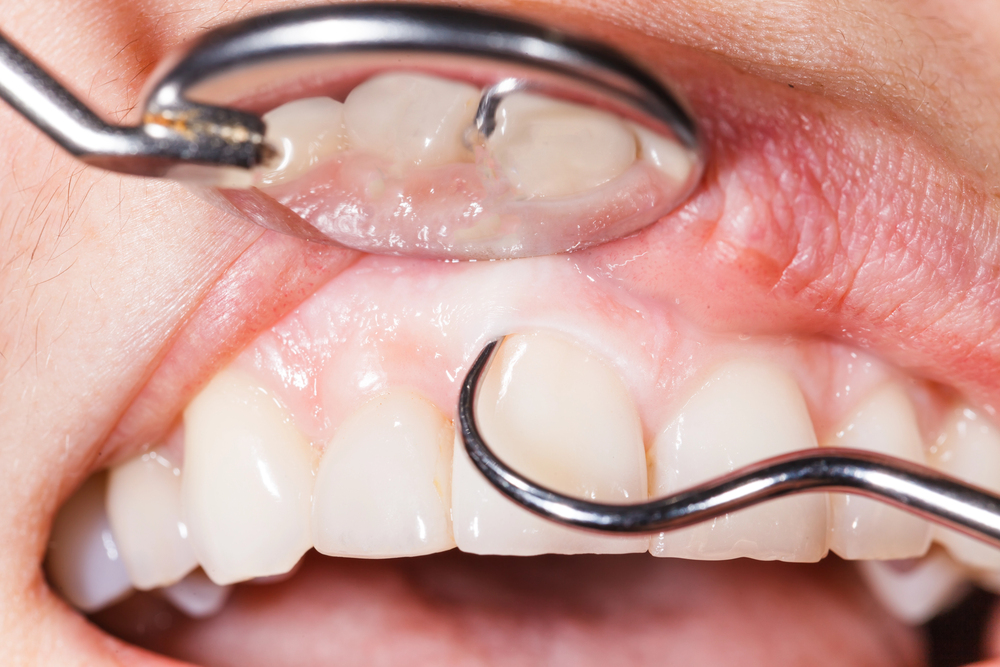
Bleeding gums during brushing or flossing might seem like a minor inconvenience, but it is often one of the earliest warning signs of gum disease. Left unaddressed, gum disease can lead to tissue damage, bone deterioration, and eventually tooth loss. For patients seeking gum disease treatment in Ashland, MA, early intervention makes a significant difference in long-term outcomes. Dr. Ali Almaawi, DDS, FICOI at Ashland Family and Implant Dentistry provides thorough periodontal care for patients across Ashland, Framingham, Natick, and the MetroWest area.
What Is Gum Disease and How Does It Develop?
Gum disease, also called periodontal disease, is an infection of the tissues that surround and support the teeth. It begins when plaque, a sticky film of bacteria, accumulates along the gumline during daily eating and drinking. When plaque is not removed through regular brushing and flossing, it hardens into tartar, a calcified deposit that can only be removed by a dental professional using specialized instruments.
The bacteria in plaque and tartar produce toxins that irritate the gum tissue and trigger an inflammatory response. Over time, this chronic inflammation can break down the connective fibers and bone that hold teeth securely in place. Gum disease is one of the leading causes of tooth loss in adults, which is why recognizing symptoms early and seeking professional treatment is essential for preserving oral health.
Gingivitis: The Reversible Early Stage
Gingivitis is the mildest form of gum disease. Symptoms include red, swollen, or tender gums that bleed easily during brushing or flossing. At this stage, the damage is reversible because the bone and connective tissue that hold teeth in place have not yet been affected. Professional cleaning combined with improved daily oral care at home is often sufficient to resolve gingivitis entirely and restore gum health.
Periodontitis: The Advanced Stage
When gingivitis is left untreated, it can progress to periodontitis, a more serious condition. The gums begin to pull away from the teeth, forming deep pockets that collect bacteria and debris. As these pockets deepen, supporting bone and tissue are gradually destroyed. Teeth may become loose, shift position, or require extraction. Because periodontitis involves irreversible bone loss, treatment focuses on controlling the active infection and preventing further structural damage rather than fully restoring what has been lost.
How Dr. Ali Almaawi Treats Gum Disease in Ashland, MA
At Ashland Family and Implant Dentistry, gum disease treatment begins with a thorough periodontal evaluation. Dr. Ali Almaawi, DDS, FICOI uses a periodontal probe to measure pocket depths around each tooth, reviews digital X-rays to assess current bone levels, and evaluates the overall condition of the gum tissue. This comprehensive assessment determines the stage and severity of the disease and guides the treatment plan.
Scaling and Root Planing: Deep Cleaning Below the Gumline
For patients with moderate gum disease, scaling and root planing is the standard nonsurgical treatment. Scaling removes plaque and tartar from below the gumline, reaching areas that regular brushing and flossing cannot access. Root planing smooths the root surfaces of the teeth, which helps the gum tissue reattach more firmly and reduces the depth of periodontal pockets. The procedure is performed under local anesthesia for comfort and may be completed over one or two appointments depending on how much of the mouth is affected.
Ongoing Periodontal Maintenance Visits
After initial treatment, patients with a history of gum disease typically benefit from periodontal maintenance visits every three to four months rather than standard six-month cleanings. These more frequent appointments allow Dr. Almaawi and the hygiene team to monitor pocket depths, remove bacterial buildup before it causes new damage, and catch any signs of recurrence early. That matters because consistent maintenance is the single most effective strategy for preventing gum disease from returning after treatment.
Risk Factors That Increase Susceptibility to Gum Disease
While inadequate oral hygiene is the primary cause of gum disease, several additional factors can increase susceptibility. Tobacco use significantly raises the risk of developing periodontal disease and can make treatment less effective because it reduces blood flow to the gum tissue. Diabetes affects the body’s ability to fight infection, which is why patients with diabetes are statistically more likely to develop periodontal problems.
Hormonal changes during pregnancy and menopause, certain medications that reduce saliva flow, a family history of periodontal disease, and chronic stress can also play a role. Patients from Ashland, Framingham, Natick, Hopkinton, Holliston, and Southborough who have one or more of these risk factors should discuss their periodontal health with Dr. Almaawi during regular visits so that monitoring and preventive strategies can be adjusted accordingly.
The Connection Between Gum Disease and Overall Health
Research continues to reveal important connections between periodontal disease and systemic health conditions. Chronic gum inflammation has been associated with increased risk of cardiovascular disease, respiratory infections, adverse pregnancy outcomes, and complications with diabetes management. While gum disease does not directly cause these conditions, the persistent bacterial load and systemic inflammation it produces may contribute to their progression or severity.
This connection is one reason periodontal care is considered an important component of overall health maintenance, not just dental care. Addressing gum disease early can reduce the inflammatory burden on the entire body, which is why dental professionals increasingly view periodontal health as a window into general wellness.
Frequently Asked Questions About Gum Disease Treatment in Ashland, MA
Can gum disease be completely cured?
Gingivitis can be fully reversed with professional treatment and improved daily oral hygiene. Periodontitis cannot be cured in the traditional sense once bone loss has occurred, but it can be effectively managed and controlled. With consistent periodontal maintenance and attentive home care, patients can halt further bone loss and maintain stable oral health for many years.
How can a patient tell if gum disease is present?
Common signs include gums that bleed during brushing or flossing, persistent bad breath that does not improve with brushing, receding gums that make teeth appear longer, loose or shifting teeth, and changes in how the bite feels when closing the mouth. However, gum disease can progress without obvious symptoms in its early stages, which is why regular dental evaluations with Dr. Ali Almaawi, DDS, FICOI at Ashland Family and Implant Dentistry are essential for early detection.
Is gum disease treatment covered by dental insurance?
Most dental insurance plans cover periodontal treatment including scaling and root planing, as it is considered a medically necessary procedure. Coverage details and copay amounts vary by plan, so verifying benefits before treatment is recommended. Ashland Family and Implant Dentistry also accepts Cherry Financing and Proceed Finance for patients who need flexible payment arrangements.
Ashland Family and Implant Dentistry: Schedule a Periodontal Evaluation
Dr. Ali Almaawi, DDS, FICOI has provided comprehensive dental care at Ashland Family and Implant Dentistry for over 20 years, serving patients from Ashland, Framingham, Natick, Hopkinton, Holliston, Southborough, Milford, and communities across the MetroWest region. The practice combines thorough periodontal evaluation with advanced diagnostic technology to help patients maintain healthy gums and preserve their natural teeth.
To learn more about gum disease treatment or schedule an evaluation, visit the Ashland Family and Implant Dentistry website to explore services, read additional dental health resources on the blog, or use the contact page to request an appointment. Call 508-881-7700 to speak with the team.