
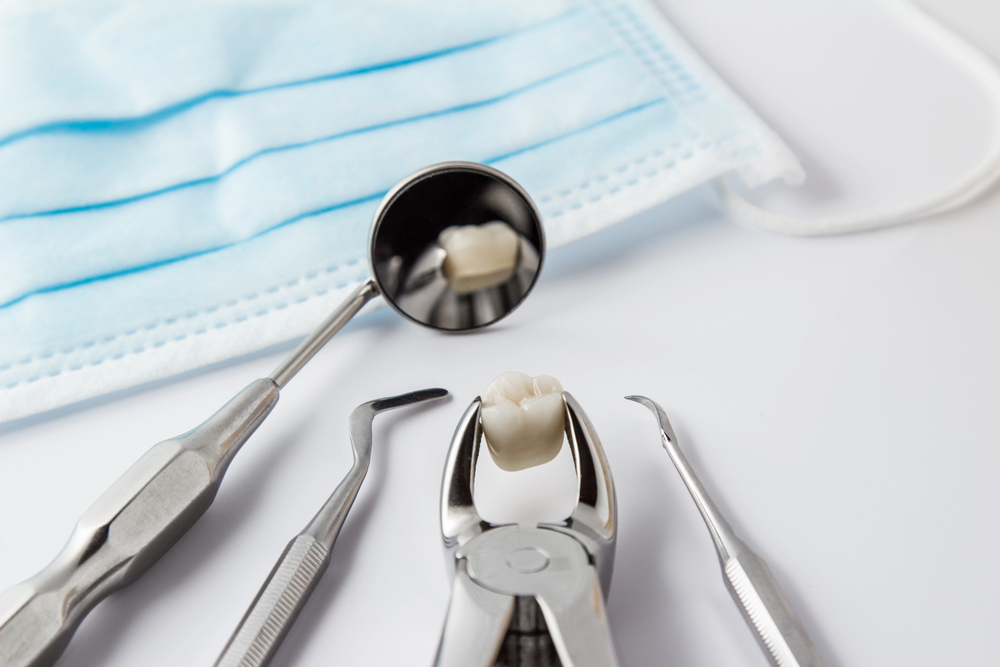
Severe tooth pain, swelling, or dental trauma may require urgent care, but these symptoms do not automatically mean the tooth must be removed. An emergency examination and diagnostic X-rays are needed to determine whether the tooth can be saved or whether an emergency tooth extraction in Ashland, MA, is the safest option.
At Ashland Family and Implant Dentistry, Dr. Ali Almaawi, DDS, FICOI, evaluates the source of the problem, explains available tooth-saving treatments, and recommends extraction only when retaining the tooth is no longer appropriate.
If you have severe pain, facial swelling, trauma, or signs of infection, call Ashland Family and Implant Dentistry at 508-881-7700 to ask about emergency appointment availability. You can also request an emergency dental appointment online.
What Is an Emergency Tooth Extraction?
An emergency tooth extraction is the urgent removal of a tooth that cannot be predictably repaired or safely retained. It may be considered when severe decay, infection, trauma, or loss of supporting bone has damaged the tooth beyond restoration.
Extraction is not automatically the first treatment for a painful, infected, cracked, or broken tooth. Depending on the diagnosis, Dr. Almaawi may be able to preserve the tooth with a filling, crown, root canal treatment, periodontal care, drainage, or another procedure.
The purpose of the emergency visit is to identify the cause of your symptoms and determine the most appropriate treatment—not to assume in advance that the tooth needs to be removed.
Signs You Need an Urgent Dental Evaluation
The following symptoms warrant prompt professional evaluation. Only an examination can determine whether extraction is necessary.
Severe or Persistent Tooth Pain
Intense, throbbing, or persistent pain can be associated with deep decay, inflammation inside the tooth, infection, a fracture, or another dental problem. Pain severity alone does not determine whether the tooth must be extracted.
Facial, Jaw, or Gum Swelling
Swelling around a tooth or in the face may indicate infection or inflammation. Contact the dental office promptly, especially if the swelling is increasing, painful, or accompanied by fever or difficulty opening your mouth.
Fever, Drainage, or a Foul Taste
A fever, pus, drainage, persistent bad taste, or pimple-like bump on the gums may be associated with a dental abscess. An abscess requires professional treatment and does not resolve simply because the pain temporarily decreases.
A Severely Cracked or Broken Tooth
A fracture can expose the inner tooth or extend beneath the gumline. Some cracked teeth can be restored, while others may be too extensively damaged to save. Prompt imaging and examination help determine the depth and location of the damage.
A Loose or Displaced Adult Tooth
An adult tooth that becomes loose after trauma or because of advanced gum disease requires urgent attention. Depending on the cause and remaining support, the tooth may be stabilized, treated, or removed.
Uncontrolled Oral Bleeding
Bleeding that does not slow after firm pressure may require urgent dental or medical attention. Major facial injuries and uncontrolled bleeding should be evaluated in a hospital emergency department.
Difficulty Opening Your Mouth
Difficulty opening the mouth can occur with swelling, infection, trauma, or inflammation around a tooth. Seek prompt evaluation, especially when the symptom is worsening or accompanied by fever.
Do not try to decide at home whether your tooth needs to be removed. Call 508-881-7700 for emergency appointment availability or review the practice’s urgent emergency dental care in Ashland.
When Might a Tooth Need to Be Extracted Immediately?
Dr. Almaawi may recommend extraction when keeping the tooth would not provide a predictable or healthy outcome. Possible reasons include:
- Decay has destroyed too much of the tooth to support a restoration
- A fracture extends below the gumline or into the root
- Severe trauma has made the tooth non-restorable
- Advanced gum disease has caused extensive loss of bone support
- An infection cannot be predictably resolved while retaining the tooth
- A failed or severely damaged tooth cannot support additional treatment
- The tooth presents an ongoing risk to surrounding tissues
The recommendation depends on the tooth’s condition, root structure, bone support, infection, nearby anatomy, and available alternatives. Same-day extraction may be possible, but it depends on the diagnosis, procedure complexity, medical history, and appointment availability.
Can the Tooth Be Saved Instead?
Preserving a natural tooth is generally preferred when it can be restored to health and function. Depending on the cause and extent of the damage, possible alternatives to extraction include:
- Dental filling or bonding: May repair limited decay, chips, or minor fractures.
- Dental crown: May protect and restore a weakened or extensively damaged tooth.
- Root canal treatment: May treat inflammation or infection inside a tooth that remains structurally restorable.
- Drainage of an abscess: May help address infection as part of a broader treatment plan.
- Periodontal treatment: May improve the health and support of a tooth affected by gum disease.
- Stabilization after trauma: May help preserve a displaced or loosened tooth in suitable cases.
Antibiotics may sometimes be prescribed when there are signs of spreading infection or systemic involvement, but medication alone may not remove the source of the dental problem. Definitive treatment may still be required.
How Dr. Almaawi Determines Whether Extraction Is Necessary
During an emergency dental visit, Dr. Almaawi evaluates the immediate problem and considers whether the tooth can be predictably restored.
- Symptom review: The team asks when the pain or swelling began, whether trauma occurred, and whether you have fever, drainage, or other symptoms.
- Clinical examination: Dr. Almaawi examines the tooth, gums, bite, mobility, swelling, and surrounding tissues.
- Diagnostic X-rays: Imaging helps evaluate the roots, bone support, infection, fractures, decay, and nearby anatomy.
- Restorability assessment: Dr. Almaawi determines whether enough healthy tooth structure and support remain for treatment.
- Review of alternatives: Tooth-saving procedures are considered when they offer a reasonable chance of success.
- Treatment discussion: You receive an explanation of the diagnosis, options, costs, and expected next steps before treatment begins.
Qualifying new patients may also review the practice’s complimentary emergency exam and X-ray offer. Offer terms and appointment availability should be confirmed directly with the office.
What Happens During an Emergency Tooth Extraction?
If extraction is recommended and can be completed during the emergency visit, the team will review the procedure, expected recovery, available comfort measures, and associated costs.
- Anesthesia: Local anesthesia is used to numb the tooth and surrounding tissues. Additional comfort options may be discussed when appropriate.
- Tooth removal: Dr. Almaawi carefully removes the tooth using the technique appropriate for its condition and position.
- Socket evaluation: The area is examined and cleaned as needed.
- Bleeding control: Gauze is placed over the extraction site to support clot formation.
- Postoperative instructions: You receive specific guidance about bleeding, diet, activity, hygiene, medications, and follow-up care.
Some teeth can be removed with a straightforward extraction, while others require a more involved surgical approach. The source content does not confirm which extraction types are offered, so this should be verified with the practice before adding procedural claims.
What to Expect After the Extraction
Some bleeding, swelling, soreness, and tenderness can occur after a tooth is removed. Your recovery will depend on the tooth, the complexity of the procedure, your health, and how closely you follow the postoperative instructions.
- Bite gently on the provided gauze for the instructed amount of time
- Avoid strenuous activity during the initial recovery period
- Use a cold compress as directed to help manage swelling
- Begin with soft foods and avoid chewing over the extraction site
- Avoid smoking, vaping, and using straws because suction can disturb the blood clot
- Do not rinse forcefully or spit repeatedly during the early healing period
- Keep your mouth clean while avoiding direct irritation of the extraction site
- Take medications only as directed by your dentist or healthcare provider
General online guidance does not replace the personalized instructions provided after your procedure. Contact the office if you are unsure whether a symptom is normal.
Warning Signs After a Tooth Extraction
Contact the dental office if you experience symptoms that are severe, worsening, or inconsistent with the recovery instructions you received. Warning signs may include:
- Bleeding that remains heavy or does not slow with firm pressure
- Swelling that continues to worsen rather than improve
- Fever, pus, drainage, or a persistent foul taste
- Severe pain that is not controlled by the recommended measures
- Pain that becomes significantly worse after initially improving
- Difficulty swallowing or opening the mouth
- Signs of an allergic or adverse medication reaction
Severe pain that begins or intensifies several days after extraction may be associated with a disrupted or lost blood clot, commonly called dry socket. A dentist must evaluate the area and determine the appropriate care.
When Should You Go to a Hospital Emergency Department?
Some symptoms may indicate a medical emergency that requires hospital care rather than treatment only in a dental office. Call 911 or go to the nearest emergency department for:
- Difficulty breathing or swallowing
- Severe or rapidly spreading facial or neck swelling
- Uncontrolled bleeding
- Major facial or jaw trauma
- Loss of consciousness or signs of a head injury
- Chest pain, severe weakness, or another serious medical symptom
After the immediate medical danger has been addressed, follow-up dental care may still be required.
How Can the Missing Tooth Be Replaced?
You do not necessarily need to choose a replacement during the emergency appointment. The immediate priority is controlling pain, treating infection, and protecting your health. Once the area has stabilized, Dr. Almaawi can discuss appropriate replacement options.
Dental Implant
A dental implant replaces the missing tooth root and supports a crown. Implant treatment requires adequate bone and a healing period. Review the practice’s dental implant options after tooth extraction.
Dental Bridge
A fixed bridge replaces the missing tooth using support from neighboring teeth or dental implants, depending on the design.
Removable Partial Denture
A removable partial denture may replace one or several missing teeth and can be taken out for cleaning.
The most appropriate option depends on the tooth’s location, neighboring teeth, jawbone, oral health, timeline, maintenance preferences, and budget.
Emergency Dental Costs, Insurance, and Financing
The cost of emergency treatment depends on the examination, imaging, complexity of the extraction, additional procedures, and follow-up care required. The team will explain the proposed treatment and estimated fees before proceeding.
Insurance coverage varies by plan. You can review the practice’s emergency dental payment and financing options before your appointment.
Frequently Asked Questions About Emergency Tooth Extraction
Does severe tooth pain mean I need an extraction?
No. Severe pain can result from decay, infection, inflammation, trauma, or a cracked tooth. Some affected teeth can be treated with a filling, crown, root canal treatment, or another procedure. An examination is needed to determine the cause.
Can an infected tooth be saved?
Some infected teeth can be treated with root canal treatment and restoration. Extraction may be recommended when the tooth is too damaged, lacks sufficient support, or cannot be predictably restored.
Will antibiotics cure a tooth infection?
Antibiotics may help manage certain spreading infections, but they may not remove the underlying source inside the tooth. Dental treatment such as drainage, root canal therapy, or extraction may still be needed.
Can a cracked tooth be repaired?
Some cracked teeth can be restored with a crown, root canal treatment, or another procedure. A tooth may require extraction when the fracture extends too deeply or leaves insufficient healthy structure for repair.
Is same-day extraction guaranteed?
No. Same-day extraction depends on the diagnosis, your medical history, the complexity of the procedure, and appointment availability.
How long does recovery take?
Initial soreness and swelling usually improve as healing progresses, but recovery varies by patient and procedure. Follow the personalized instructions provided after the extraction and attend recommended follow-up visits.
When can I eat after an extraction?
You will usually begin with softer foods and avoid chewing near the extraction site. Follow the dietary instructions provided by the dental team because the timing depends on your procedure and healing.
What should I do if swelling affects my breathing?
Call 911 or seek hospital emergency care immediately. Difficulty breathing or swallowing and rapidly spreading facial or neck swelling may indicate a medical emergency.
Request Urgent Dental Care in Ashland, MA
Severe tooth pain, swelling, infection symptoms, or dental trauma should be evaluated promptly. These symptoms may require extraction, but tooth-saving treatment may still be possible depending on the diagnosis.
Dr. Ali Almaawi, DDS, FICOI, will examine the affected area, review diagnostic images when needed, and explain the safest treatment options before you decide how to proceed.
Call Ashland Family and Implant Dentistry at 508-881-7700 to ask about emergency appointment availability, or request an emergency dental appointment online.
For additional guidance, read what to do when a dental problem cannot wait.
You can also view Ashland Family and Implant Dentistry on Google Maps for directions and practice information.