
Bruxism is the clinical term for teeth grinding or clenching. It often happens during sleep, which means many patients do not know it is occurring until tooth wear, jaw soreness, or morning headaches appear.
At Ashland Family and Implant Dentistry, Dr. Ali Almaawi evaluates the teeth, jaw muscles, bite, and jaw joints to identify signs of grinding and recommend the most appropriate treatment.
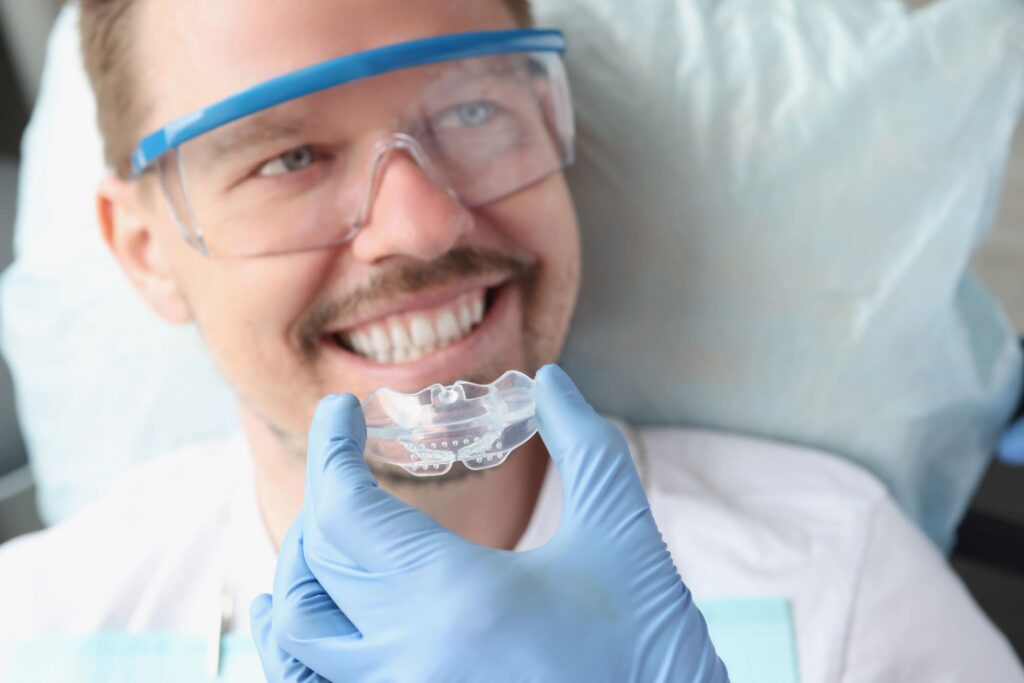
Treatment may include a custom night guard to protect the teeth, therapeutic Botox to reduce overactive jaw muscles, or additional care if grinding has already damaged teeth or restorations.
Signs You May Be Grinding Your Teeth
You may benefit from a bruxism evaluation if you notice:
- Morning headaches
- Jaw soreness upon waking
- Tight or tired jaw muscles
- Tooth sensitivity
- Flattened or worn teeth
- Chipped teeth or cracked restorations
- Neck or shoulder tension
- Clicking or popping jaw joints
If headaches are your main concern, Dr. Almaawi may also recommend a headache and jaw pain evaluation.
Why Treating Bruxism Matters
Bruxism can place far more pressure on the teeth than normal chewing. Over time, this can lead to enamel wear, cracked teeth, broken fillings, damaged crowns, tooth sensitivity, jaw pain, and TMJ inflammation.
If teeth have already been weakened or fractured, dental crowns or other restorative treatment may be needed to rebuild strength and protect the bite.
Treatment Options for Bruxism
Treatment depends on the severity of tooth wear, muscle tension, and jaw symptoms:
- Custom night guards to protect teeth during sleep
- Therapeutic Botox for significant jaw muscle overactivity
- Bite evaluation when uneven contact contributes to grinding stress
- Restorative care for teeth damaged by grinding
Patients with clicking, locking, or persistent joint pain may also need a TMJ treatment evaluation.
What to Expect at Your Visit
Dr. Almaawi will examine your teeth for wear patterns, check existing restorations, assess jaw muscle tenderness, evaluate bite alignment, and review symptoms such as headaches or jaw soreness.
Regular dental cleaning and consultation visits can also help detect early signs of grinding before more serious damage occurs.
Early Care Can Prevent Bigger Problems
Bruxism tends to get worse over time without intervention. Early treatment helps preserve natural tooth structure, reduces TMJ stress, and avoids more extensive restorative work down the road.
Patients with more advanced wear or damaged restorations may benefit from a broader restorative dentistry consultation.
Frequently Asked Questions
How do I know if I grind my teeth at night?
Common signs include morning headaches, jaw soreness, worn teeth, tooth sensitivity, cracked restorations, and reports from a sleeping partner who hears grinding sounds.
Can bruxism damage crowns and fillings?
Yes. The excessive forces from grinding can chip, crack, or loosen restorations over time.
Will a night guard stop me from grinding?
A night guard protects your teeth and reduces stress on the jaw joints, but it may not eliminate the grinding habit itself.
Is Botox effective for teeth grinding?
For some patients, therapeutic Botox can reduce the intensity of the muscle contractions responsible for clenching and grinding.
Can teeth grinding cause headaches?
Yes. Chronic muscle tension from grinding and clenching is a common contributor to morning headaches and facial discomfort.
If you wake up with sore teeth, jaw tension, facial discomfort, or recurring morning headaches, call 508-881-7700 to schedule a bruxism evaluation with Dr. Ali Almaawi.