
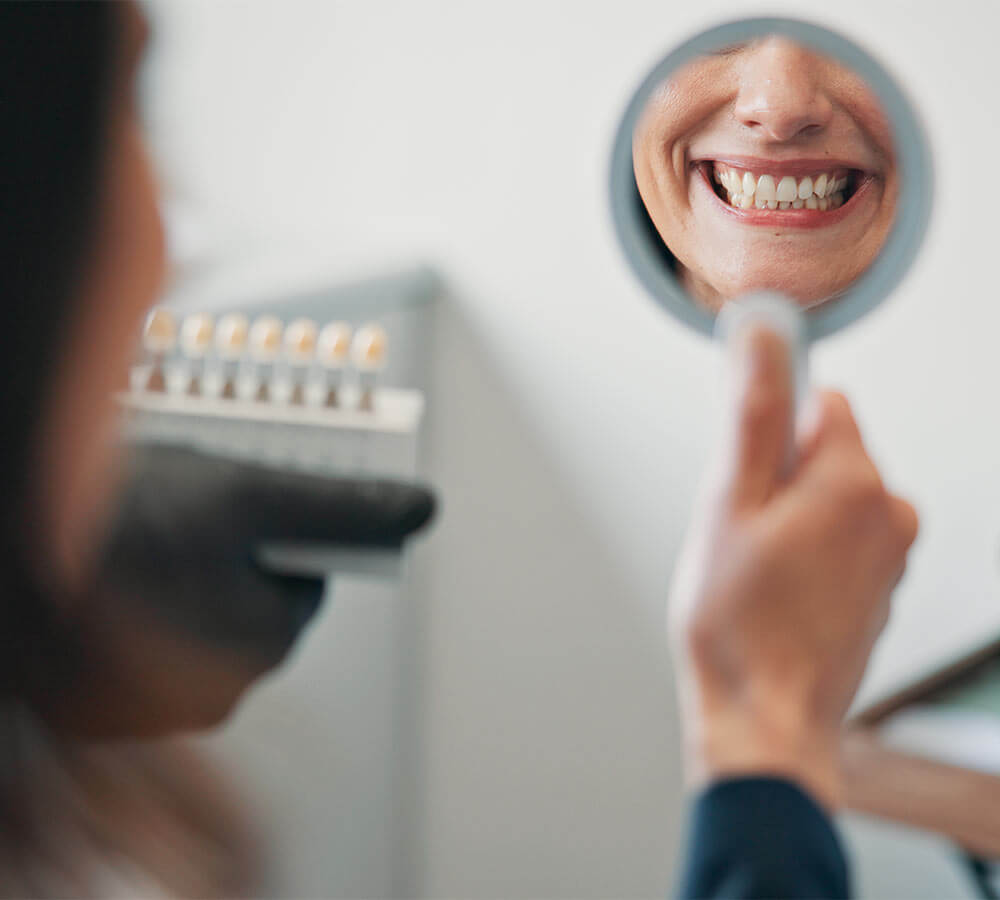
Professional teeth whitening can keep your smile noticeably brighter for months, and some patients maintain their results much longer. However, whitening is not permanent. How long your results last depends on the type of treatment you receive, your original tooth color, your oral hygiene, your diet, tobacco use, and whether you complete dentist-recommended touch-ups.
At Ashland Family & Implant Dentistry, Dr. Ali Almaawi, DDS, FICOI evaluates your teeth, gums, existing dental work, and cosmetic goals before recommending a whitening plan. This personalized approach helps determine whether professional whitening is appropriate for your smile and how you can maintain the results safely.
Ready to explore your options? Learn more about professional teeth whitening and cosmetic dentistry in Ashland, MA, or call Ashland Family & Implant Dentistry at 508-881-7700 to schedule a consultation.
How Long Does Professional Teeth Whitening Last?
Professional teeth whitening results commonly remain visible for several months, but there is no single timeline that applies to every patient. People who limit staining foods and drinks, avoid tobacco, maintain good oral hygiene, and follow their dentist’s maintenance recommendations may enjoy a brighter smile for longer.
Whitening results gradually fade because your teeth continue to encounter pigments from foods, beverages, and everyday habits. The original shade of your teeth and the cause of the discoloration also influence how much whitening you achieve and how noticeable fading becomes over time.
A professional evaluation is important because not every type of discoloration responds to bleaching in the same way. Dr. Almaawi can examine your smile, identify possible causes of staining, and explain what results may be realistic for you.
Why Do Professional Whitening Results Vary?
The longevity of professional teeth whitening depends on several individual factors. Two patients can receive similar treatment and experience different results based on their dental health and daily habits.
- Dietary habits: Coffee, tea, red wine, dark soda, berries, tomato-based sauces, and other heavily pigmented foods may contribute to new surface stains.
- Tobacco use: Smoking and chewing tobacco can cause yellow or brown discoloration and may quickly reduce the appearance of whitening results.
- Oral hygiene: Consistent brushing, flossing, and professional cleaning can help control plaque and surface discoloration.
- Original tooth shade: Your natural tooth color and the severity of existing discoloration affect the final result.
- Type of stain: Surface stains generally respond differently from discoloration originating deeper within the tooth.
- Treatment method: Dentist-supervised whitening can be adjusted according to your teeth, sensitivity, and cosmetic goals.
- Maintenance: Dentist-recommended touch-ups may help restore brightness when results begin to fade.
What Is the Difference Between Extrinsic and Intrinsic Staining?
Extrinsic stains develop on the outer surfaces of teeth. They are commonly associated with pigmented foods, drinks, tobacco, and plaque buildup. These stains may respond to professional cleaning, whitening toothpaste, or professional whitening, depending on their severity.
Intrinsic discoloration develops within the tooth. It may be related to aging, dental trauma, tooth development, or certain medications. Deeper discoloration may not respond as predictably to whitening as surface staining.
If whitening alone is unlikely to produce the desired change, Dr. Almaawi may discuss another treatment available through cosmetic dentistry in Ashland. The appropriate recommendation depends on your oral health, the cause of the discoloration, and your goals.
How Does Professional Whitening Compare With Store-Bought Products?
| Consideration | Professional Whitening | Store-Bought Whitening |
|---|---|---|
| Dental evaluation | Your teeth and gums can be examined before treatment | Usually completed without a professional examination |
| Customization | Treatment can be adjusted to your needs and sensitivity | Generally uses a standardized application |
| Application | Provided or supervised by a dental professional | Applied by the consumer according to package directions |
| Existing dental work | Your dentist can evaluate visible restorations before whitening | Restorations may not be considered before use |
| Follow-up | Your dentist can monitor sensitivity and recommend maintenance | Professional follow-up is not typically included |
The American Dental Association identifies temporary tooth sensitivity and gum irritation as common potential effects of vital tooth whitening. A professional consultation allows your dentist to evaluate sensitivity, cavities, gum health, restorations, and other concerns before recommending treatment.
Unsure which whitening option is appropriate for you? Contact Ashland Family & Implant Dentistry to request a cosmetic consultation, or call 508-881-7700 to speak with the dental team.
How Can You Make Teeth Whitening Results Last Longer?
You do not necessarily need to eliminate every food or drink that can stain teeth. Consistent habits and reasonable moderation can help reduce new discoloration.
Maintain Consistent Oral Hygiene
Brush twice daily with fluoride toothpaste and clean between your teeth each day. Regular dental examinations and professional cleanings can also help manage plaque, tartar, and surface staining that brushing alone cannot remove.
Rinse After Staining Foods and Drinks
Rinsing your mouth with water after coffee, tea, red wine, berries, or dark sauces can help remove some pigmented residue. This does not replace brushing, but it is a practical step when you cannot clean your teeth immediately.
Limit Tobacco Use
Tobacco can quickly create new discoloration and negatively affect your oral health. Avoiding smoking and chewing tobacco can help protect both the appearance of your smile and the health of your gums and teeth.
Use Whitening Products as Directed
Do not whiten more frequently than your dentist or the product instructions recommend. Excessive or improper whitening may increase sensitivity and irritate the gums. Speak with your dentist before combining multiple whitening products.
Ask About Professional Touch-Ups
A touch-up may help when your teeth begin to look darker or before an important event. The timing should be based on your dental health, sensitivity, previous treatment, and the amount of new discoloration rather than an automatic schedule.
Can Crowns, Veneers, Fillings, or Bonding Be Whitened?
Whitening agents are intended to change the appearance of natural tooth structure. Crowns, veneers, fillings, and dental bonding do not whiten in the same way as natural teeth. This can create a visible color difference if restorations are located near the front of your smile.
Tell your dentist about any existing restorations before treatment. If you are planning cosmetic or restorative dental work, your treatment may need to be completed in a specific order so new restorations can be matched to the intended shade of your natural teeth.
Patients with discoloration that does not respond adequately to bleaching may be candidates for another cosmetic treatment. Explore the practice’s available teeth whitening, veneer, and dental bonding options to learn how different treatments address different cosmetic concerns.
When Should You Consider a Whitening Touch-Up?
You may consider asking about a touch-up when your teeth no longer look as bright as they did after treatment. People who regularly consume coffee, tea, red wine, or other staining products may notice fading sooner than those who consume them less frequently.
A touch-up may also be considered before a wedding, professional event, family photo session, or other important occasion. Schedule your consultation early enough for your dentist to evaluate your oral health and recommend an appropriate treatment timeline.
Do not repeat whitening treatment solely because a certain number of months has passed. Your dentist should consider your current shade, sensitivity, gum health, dental restorations, and previous response to whitening.
Who May Need to Delay or Avoid Teeth Whitening?
Professional whitening may not be the first step for every patient. Your dentist may recommend addressing an oral health concern before beginning cosmetic treatment.
- Untreated tooth decay
- Active gum disease or significant gum irritation
- Cracked, damaged, or severely worn teeth
- Unexplained tooth pain
- Significant tooth sensitivity
- Visible crowns, veneers, fillings, or bonding that may not match after whitening
- Discoloration that is unlikely to respond predictably to bleaching
A dental examination helps identify these concerns and allows your dentist to recommend a safer and more appropriate plan.
Schedule Professional Teeth Whitening in Ashland, MA
Professional teeth whitening can provide a noticeable cosmetic improvement, but maintaining that brighter appearance requires realistic expectations and consistent care. Dr. Ali Almaawi, DDS, FICOI can evaluate your oral health, discuss the cause of your discoloration, and recommend an approach based on your smile.
Schedule a consultation with Ashland Family & Implant Dentistry at 37 Main Street in Ashland, Massachusetts. Call 508-881-7700 to discuss professional teeth whitening, request an appointment through the contact page, or view Ashland Family & Implant Dentistry on Google for directions and practice information.
Frequently Asked Questions About Professional Teeth Whitening
Is professional teeth whitening permanent?
No. Professional teeth whitening can provide long-lasting improvement, but teeth can gradually become stained again through foods, drinks, tobacco, aging, and other factors.
How often can I whiten my teeth?
There is no universal schedule for whitening. The appropriate frequency depends on your oral health, sensitivity, treatment type, and how quickly discoloration returns. Ask your dentist before repeating or combining whitening treatments.
Does teeth whitening damage enamel?
Whitening products should be used according to professional guidance or product directions. Temporary sensitivity and gum irritation can occur, and excessive use may increase the risk of unwanted effects. A dental evaluation can help determine whether whitening is suitable for you.
Can I whiten my teeth if they are sensitive?
Some patients with sensitive teeth may still be candidates for whitening, but treatment may need to be modified. Your dentist can evaluate the cause of the sensitivity and discuss treatment strength, application time, or desensitizing options.
Will whitening change the color of crowns or veneers?
Whitening does not change crowns, veneers, fillings, or bonding in the same way it changes natural teeth. Your dentist should evaluate visible restorations before whitening to reduce the risk of an uneven shade.
Should I have my teeth cleaned before whitening?
Your dentist may recommend a professional cleaning before whitening when plaque, tartar, or surface staining is present. An examination also helps identify cavities, gum problems, sensitivity, or restorations that could affect treatment.
What foods and drinks can stain whitened teeth?
Coffee, tea, red wine, dark soda, berries, and deeply colored sauces may contribute to new surface stains. Moderating these products and rinsing with water afterward may help maintain your results.