
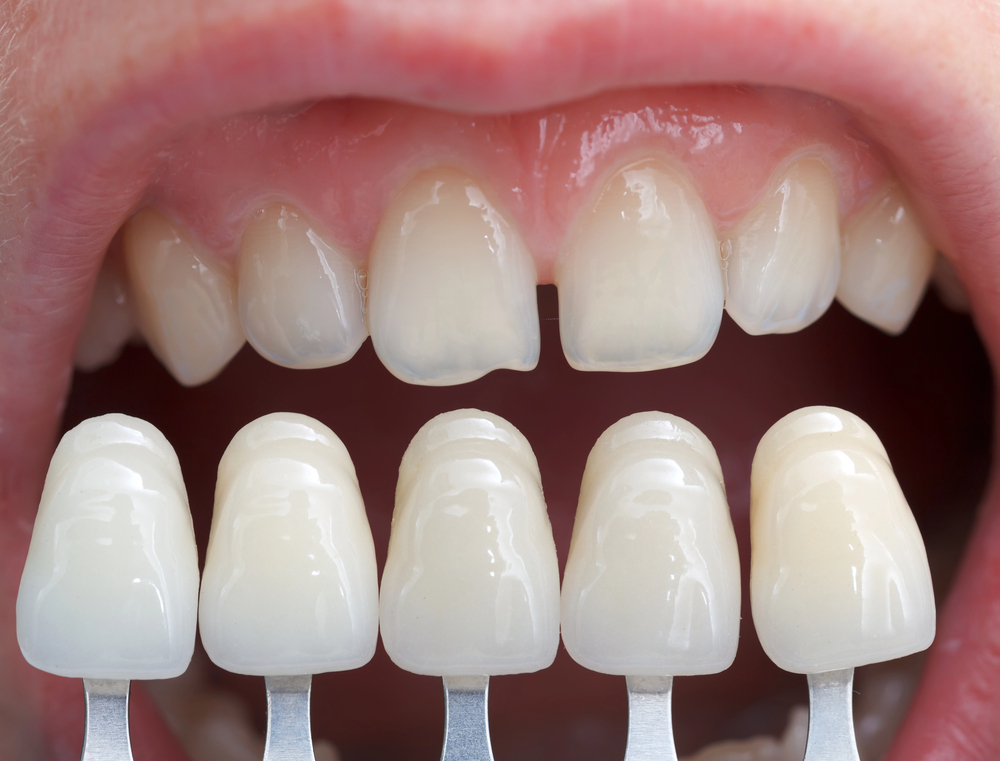
If a wedding, reunion, interview, professional photoshoot, or milestone celebration is coming up, it is natural to want your smile to look its best. Chipped, stained, uneven, worn, or slightly spaced teeth can make people feel hesitant in photos and everyday conversations. For the right patient, veneers can be a powerful way to refresh the appearance of the smile before an important life event.
At Ashland Family and Implant Dentistry, Dr. Ali Almaawi, DDS, FICOI helps patients understand whether veneers are the right cosmetic option for their goals, timeline, oral health, and budget. Veneers can create a beautiful result, but they are not the best choice for every concern. A thoughtful consultation helps determine whether veneers, bonding, whitening, Invisalign, crowns, or another treatment would be the most appropriate path.
This guide explains what veneers can improve, how far ahead to start before a big event, what the process involves, and what to ask before making a decision.
What Are Veneers?
Veneers are thin, custom-made coverings placed on the front surfaces of teeth to improve the way a smile looks. Porcelain veneers are designed to look natural, reflect light similarly to enamel, and resist stains better than many direct bonding materials. Composite veneers or bonding may require less tooth preparation and fewer visits, but they are generally less stain-resistant and may not last as long as porcelain.
Veneers are most often used for cosmetic concerns on visible front teeth. They may help improve the appearance of:
- Chipped or worn edges
- Deep stains that do not respond well to whitening
- Small gaps between teeth
- Minor unevenness in tooth shape or size
- Teeth that appear short, narrow, or out of proportion with the smile
- Some mild alignment concerns when orthodontics is not required
Can Veneers Help Before a Wedding, Interview, or Special Event?
Veneers may be a good option before a major event when the concern is mostly cosmetic and the teeth and gums are healthy enough for treatment. They can be especially helpful when a patient wants a more even, brighter, or balanced smile for photos and social events.
However, timing matters. Veneers should not be rushed at the last minute. A careful smile design process may include an exam, diagnostic records, shade selection, tooth preparation, temporary veneers, lab fabrication, final bonding, and follow-up adjustments. Starting early gives your dentist time to identify gum inflammation, decay, bite issues, tooth grinding, or other concerns that could affect the final result.
If your event is close, Dr. Almaawi can help you compare realistic options. In some cases, whitening or dental bonding may be more practical for a short timeline. In other cases, veneers may still be possible if your oral health is stable and the treatment plan is straightforward.
How Far Ahead Should You Start Planning?
For a wedding, reunion, or other high-stakes event, it is best to schedule a cosmetic consultation as early as possible. Several weeks may be enough for some veneer cases, but a longer planning window is safer if you need gum treatment, whitening, bite evaluation, replacement of old dental work, or time to preview your new smile.
A practical planning approach is:
- 3 to 6 months before the event: Best window for consultation, smile planning, oral health treatment, whitening if needed, and veneer design.
- 6 to 12 weeks before the event: May still work for straightforward cases, but timing depends on the number of veneers and whether any preliminary care is needed.
- Less than 6 weeks before the event: Ask about faster cosmetic options such as whitening or bonding if porcelain veneers cannot be completed comfortably in time.
The most important goal is not simply finishing before the event. The goal is creating a result that looks natural, feels comfortable, and supports your long-term oral health.
Who Is a Good Candidate for Veneers?
A good veneer candidate usually has healthy gums, enough enamel for bonding, realistic expectations, and cosmetic concerns that veneers are designed to address. Veneers are often considered when the front teeth are structurally stable but the patient wants to improve color, shape, symmetry, or minor spacing.
Before recommending veneers, Dr. Almaawi will evaluate your oral health, bite, tooth structure, gum position, existing restorations, and cosmetic goals. If tooth decay, gum disease, clenching, grinding, or bite instability is present, those issues may need to be addressed first.
When Veneers May Not Be the Best Choice
Veneers are not the right answer for every smile concern. They may not be recommended if a tooth is badly damaged, if there is not enough healthy enamel, if the bite puts too much force on the front teeth, or if active gum disease is present. Patients who grind or clench heavily may need a nightguard or another treatment plan to protect cosmetic dental work.
Other treatments may be better in certain situations:
- Teeth whitening may be better for natural teeth that are healthy but discolored.
- Dental bonding may be better for small chips or minor cosmetic repairs on a shorter timeline.
- Invisalign or orthodontics may be better when tooth position or bite alignment is the main issue.
- Crowns may be better when teeth are cracked, heavily filled, weakened, or structurally compromised.
What to Expect During the Veneer Process
Your veneer process begins with a consultation. Dr. Almaawi will listen to your goals, examine your teeth and gums, review your bite, and discuss what you would like to change about your smile. Photos, digital scans, or other records may be used to plan the shape, shade, and proportions of your veneers.
If veneers are a good fit, the process may include:
- Smile planning: Discussing the color, size, shape, and number of teeth involved.
- Tooth preparation: Removing a very thin layer of enamel when needed so the veneers fit naturally.
- Temporary veneers: Wearing temporaries in some cases while the final veneers are being made.
- Final try-in: Checking shape, shade, and fit before the veneers are permanently bonded.
- Bonding and bite check: Securing the veneers and making final adjustments for comfort.
Before final bonding, it is important to speak up about color, shape, or length concerns. Your dentist wants the result to look like a natural enhancement of your smile, not a one-size-fits-all cosmetic change.
How to Make Veneers Look Natural
Natural-looking veneers depend on more than choosing a bright shade. The best results consider your facial features, lip line, gum shape, tooth proportions, skin tone, and how your smile moves when you speak. A smile that looks good in person should also look balanced in photos.
At Ashland Family and Implant Dentistry, cosmetic treatment planning focuses on creating a smile that fits you. For some patients, that means a subtle refresh. For others, it may mean a more noticeable smile transformation. The goal is to enhance your appearance while keeping the result believable, comfortable, and functional.
How to Care for Veneers After Treatment
Veneers still require daily care and regular dental visits. The veneer itself cannot decay, but the natural tooth and gum tissue around it still need protection. Good maintenance helps reduce the risk of staining around the margins, gum inflammation, tooth decay, chips, and debonding.
- Brush twice daily with a non-abrasive toothpaste.
- Floss daily around veneers and natural teeth.
- Keep regular preventive dental visits.
- Avoid biting hard objects such as ice, pens, or fingernails.
- Wear a nightguard if your dentist recommends one for clenching or grinding.
- Limit habits that stain natural teeth, especially if nearby teeth are not covered by veneers.
If you notice a veneer feels loose, rough, sensitive, or different in your bite, call the office promptly so it can be checked.
How Much Do Veneers Cost?
Veneer cost depends on the number of teeth being treated, the material used, the complexity of the smile design, whether temporary veneers are needed, and whether any other dental care is required first. Cosmetic veneers are often not covered by dental insurance when they are purely elective, but coverage varies by plan and by the reason for treatment.
During your consultation, our team can explain your options, review estimated fees, and help you understand payment or financing choices before treatment begins.
Why Choose a Licensed Dentist for Veneers?
Veneers are dental treatment, not just a cosmetic accessory. They involve tooth structure, bonding, bite forces, gum health, and long-term maintenance. Choosing a licensed dentist helps ensure your teeth are evaluated properly and that any underlying oral health problems are addressed before cosmetic work begins.
Be cautious of extremely low-cost veneer offers from unlicensed providers or social media “veneer techs.” Poorly planned or improperly placed veneers can lead to pain, gum problems, bite issues, decay, and costly replacement treatment.
Cosmetic Dentistry for Ashland and Nearby Communities
Ashland Family and Implant Dentistry provides cosmetic dental consultations for patients in Ashland and nearby MetroWest communities. If you are looking for a dentist near Hopkinton, MA, our Ashland office can help you explore veneers and other cosmetic options close to home.
If veneers are not the best fit, Dr. Almaawi may discuss alternatives through our cosmetic dentistry services, including whitening, bonding, clear aligner options, or restorative treatments when needed.
Schedule a Veneer Consultation Before Your Big Event
If you are planning for photos, a wedding, a reunion, a job interview, or another milestone, the best first step is a cosmetic consultation. Dr. Almaawi can evaluate your smile, explain what veneers can realistically achieve, and help you choose a timeline that works for your event and your oral health.
To get started, book an appointment online or call 508-881-7700. You can also view our Google Business Profile for directions, office details, and patient reviews.
Frequently Asked Questions About Veneers Before a Big Event
How soon before a wedding or big event should I ask about veneers?
Schedule a consultation as early as possible. A longer planning window gives your dentist time to check your oral health, discuss design options, complete any needed preliminary care, and make adjustments before the event.
Can veneers fix stained teeth before photos?
Veneers can cover certain types of deep discoloration, especially stains that do not respond well to whitening. If your teeth are healthy and the concern is mostly color, whitening may also be discussed as a simpler first option.
Do veneers hurt?
Many patients tolerate veneer treatment well. Local anesthetic may be used when teeth are prepared. Some temporary sensitivity can happen after preparation or bonding, but ongoing pain should be evaluated by your dentist.
Are veneers permanent?
Porcelain veneers often require removal of a thin layer of enamel, so they are generally considered a long-term and often irreversible treatment. Veneers may need replacement over time, so it is important to understand maintenance before starting.
Can veneers close small gaps?
Veneers can close some small cosmetic gaps, but larger spacing or bite-related concerns may be better treated with orthodontics or clear aligners. A consultation can help determine which option is more stable and natural-looking.
Will veneers look too white or fake?
They should not. Natural-looking veneers are designed around your face, smile line, tooth shape, and preferred shade. During planning, you can discuss whether you want a subtle refresh or a brighter cosmetic change.