
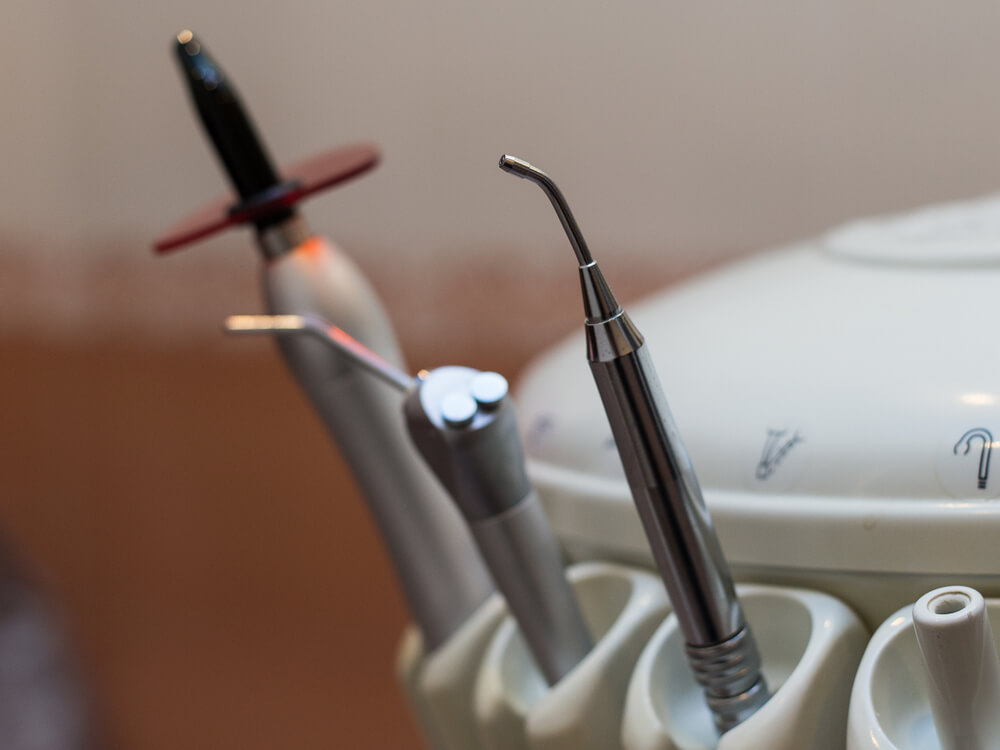
At Ashland Family and Implant Dentistry, infection control is part of every patient visit. Our team follows infection prevention recommendations from the Centers for Disease Control and Prevention (CDC), Occupational Safety and Health Administration (OSHA), Environmental Protection Agency (EPA), and applicable state and local guidance to help maintain a clean, safe environment for patients, families, and team members.
Whether you are visiting for a routine checkup, a cleaning, emergency care, or a restorative procedure, our goal is simple: help you feel confident that your care is delivered with careful attention to cleanliness, sterilization, and patient safety.
What Is Dental Infection Control?
Dental infection control refers to the systems a dental office uses before, during, and after appointments to reduce the risk of cross-contamination. These systems include hand hygiene, personal protective equipment, instrument sterilization, treatment room disinfection, dental waterline maintenance, safe handling of disposable materials, and staff training.
In dentistry, infection control matters because dental care involves close contact with the mouth, saliva, blood, dental instruments, and treatment surfaces. Standard precautions are used for every patient because they help protect both patients and dental team members, regardless of whether someone appears sick.
How We Help Keep Dental Visits Safe
To support your continued health, our office uses layered infection-control procedures throughout the day. These include:
- Using proven sterilization methods for reusable dental instruments, handpieces, and other items used during treatment.
- Cleaning instruments before sterilization so blood, saliva, and debris do not interfere with the sterilization process.
- Wearing appropriate personal protective equipment such as gloves, masks, protective eyewear, and other barriers when clinically appropriate.
- Performing hand hygiene before and after patient care and whenever gloves are changed.
- Cleaning and disinfecting treatment chairs, counters, lights, handles, and other high-touch surfaces between patients.
- Using disposable barriers and single-use products whenever appropriate to reduce the chance of cross-contamination.
- Handling sharps, disposable materials, and clinical waste according to applicable safety guidelines.
What Happens Between Patients
Much of dental infection control happens behind the scenes. After a patient leaves the treatment room, our team prepares the room for the next visit by removing disposable barriers, disinfecting high-touch surfaces, and setting up clean or sterile supplies for the next appointment.
Reusable instruments are processed through a defined sequence. They are cleaned first, packaged or wrapped when appropriate, sterilized using validated equipment, and stored until they are needed. Items that are designed for single use are not reused.
Patients may notice sealed instrument packets, fresh gloves, masks, surface barriers, disinfected counters, and team members washing or sanitizing their hands. These visible steps are only part of the process, but they can help you know that safety protocols are being followed throughout your visit.
Waterlines, Airflow, and Treatment Room Safety
Dental unit waterlines are the small tubes that deliver water to certain dental instruments. Because water quality is an important part of infection prevention, dental offices use waterline maintenance procedures and monitoring methods designed to support safe dental care.
Some dental procedures can also create spray or aerosols. Depending on the procedure, our team may use high-volume suction, protective barriers, and other clinical techniques to help control moisture and reduce exposure during care.
What Patients Can Do Before Their Visit
You can help us maintain a healthy office environment by letting us know if you have a fever, new respiratory symptoms, or a contagious illness before your appointment. In some cases, it may be best to reschedule routine care until you are feeling better. If you have tooth pain, swelling, trauma, or another urgent concern, call us first so we can help determine the safest next step.
If you are due for preventive care, our dental cleaning and consultation visits are designed to support both your oral health and your overall comfort. We welcome patients from Ashland and nearby MetroWest communities, including those looking for a dentist near Hopkinton, MA.
Questions About Infection Control?
If you have questions about our infection-control techniques, please ask us at your next visit. We are happy to explain what we do to help keep your appointment clean, safe, and comfortable.
To schedule a visit, book an appointment online or call 508-881-7700. You can also view our Google Business Profile for directions to our Ashland office.
Frequently Asked Questions
How do dentists sterilize instruments?
Reusable dental instruments are cleaned first to remove debris, then sterilized according to the item type and manufacturer instructions. Single-use items are disposed of after use and are not used on another patient.
Why does the dental team wear gloves, masks, and eyewear?
Gloves, masks, and protective eyewear help reduce exposure to saliva, blood, spray, and other materials that may be present during dental care. Fresh gloves are used for each patient.
Are treatment rooms disinfected between patients?
Yes. Treatment chairs, counters, handles, lights, and other high-touch surfaces are cleaned and disinfected between patients. Disposable barriers are replaced when used.
Is it safe to visit the dentist if I feel sick?
If you have a fever, new respiratory symptoms, or a contagious illness, call our office before coming in. Routine care may need to be rescheduled, while urgent dental problems may require special triage.
Can I ask about infection-control procedures during my appointment?
Absolutely. Our team is happy to answer questions about sterilization, surface disinfection, protective equipment, or any other safety steps related to your visit.