
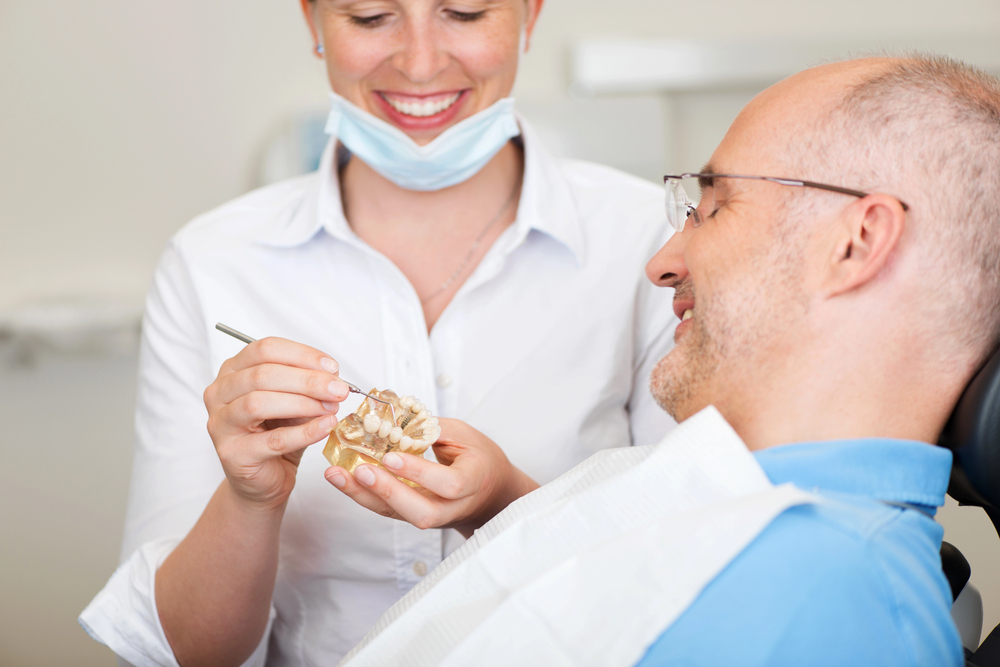
Missing several teeth can affect more than appearance. Chewing becomes difficult, speech patterns may shift, and the jawbone begins to change shape over time. For patients considering dentures in Ashland, MA, modern prosthetic options offer a reliable path to restored function and a natural-looking smile. Dr. Ali Almaawi, DDS, FICOI at Ashland Family and Implant Dentistry provides personalized denture solutions for patients throughout Ashland and the MetroWest region.
Understanding the Types of Dentures Available
Dentures are removable prosthetic devices designed to replace missing teeth and surrounding tissue. Materials and fabrication methods have improved significantly over the past decade, which is why modern dentures look more natural and feel more comfortable than earlier versions. Choosing the right type of denture depends on each patient’s oral health, the number of missing teeth, and individual lifestyle goals.
Full Dentures for Complete Tooth Replacement
Full dentures replace an entire arch of teeth, either upper, lower, or both. They rest on the gum tissue and are held in place by suction, the natural anatomy of the oral cavity, and sometimes a denture adhesive. Full dentures are appropriate when all teeth in an arch are missing or need to be removed because of advanced decay, gum disease, or structural damage that cannot be restored through other methods.
Partial Dentures for Multiple Missing Teeth
Partial dentures fill gaps where some natural teeth remain healthy and intact. A metal or acrylic framework connects the replacement teeth, and clasps attach to the existing teeth for stability and retention. Partial dentures prevent remaining teeth from shifting into empty spaces, which is why they serve both a functional and protective role in maintaining proper bite alignment and long-term jaw balance.
Implant-Supported Dentures for Maximum Stability
For patients seeking greater stability and a more secure fit, implant-supported dentures anchor to dental implants surgically placed in the jawbone. Dr. Ali Almaawi, DDS, FICOI places and restores dental implants entirely in-house at Ashland Family and Implant Dentistry, which means patients from Ashland, Framingham, Natick, and Hopkinton can complete the entire process with one clinical team in one familiar location. Implant-supported dentures do not rely on adhesives, reduce ongoing bone loss, and provide a more confident fit during eating and speaking.
The Denture Process at Ashland Family and Implant Dentistry
Creating dentures that fit well and look natural requires careful planning and precision. Dr. Almaawi begins with a comprehensive oral evaluation, including digital X-rays and a thorough examination of the gums, jawbone, and any remaining teeth. This assessment determines which type of denture best suits the patient’s anatomy, health status, and personal goals.
Precise impressions of the mouth are taken to create a custom mold for fabrication. The dentures are designed to match the size, shape, and shade of natural teeth so they blend with the patient’s facial features and skin tone. Multiple fittings ensure the bite is comfortable and the fit is accurate before the final dentures are delivered. Adjustments during the initial weeks of wear are normal and expected as the oral tissues adapt to the new prosthetic.
Benefits of Choosing Dentures for Tooth Replacement
Replacing missing teeth with dentures restores the ability to chew a wider variety of foods, which directly supports better nutrition and overall health. Speech clarity often improves because the tongue and lips regain proper surfaces to articulate against during conversation. The visible structure of the face is supported as well, because missing teeth can cause facial muscles to sag and create a prematurely aged appearance over time.
Dentures also provide an accessible path to tooth replacement across a range of budgets. That matters because dental care should be available to patients at different stages of life and financial situations. Ashland Family and Implant Dentistry accepts Cherry Financing and Proceed Finance, with flexible monthly payment plans available, and offers an in-house membership plan for patients without dental insurance.
Caring for Dentures: Daily Maintenance and Long-Term Success
Daily Cleaning Routine
Proper care extends the life of dentures and protects oral health. Dentures should be removed and rinsed after eating to clear food particles and debris. Brushing dentures daily with a soft-bristled brush and non-abrasive cleanser removes plaque and prevents staining. Soaking dentures overnight in a denture solution keeps them moist, helps maintain their shape, and reduces bacterial buildup.
Ongoing Professional Monitoring
Regular dental visits remain important even for patients with full dentures. Dr. Almaawi evaluates the fit of the dentures, checks the health of the gum tissue and jawbone, and screens for oral conditions including oral cancer during each visit. The shape of the jaw changes gradually over time, which is why periodic professional evaluation and adjustments help maintain optimal comfort and function throughout the life of the dentures.
When Should Dentures Be Replaced or Adjusted?
Dentures typically last five to eight years before they need replacement or significant adjustment. Signs that dentures may need attention include looseness or slipping, difficulty chewing foods that were previously manageable, sore spots developing on the gums, visible wear or cracks in the prosthetic material, and noticeable changes in facial appearance or bite alignment.
Because the jawbone gradually remodels after natural tooth roots are no longer present, the fit of dentures changes over time. Professional relining can sometimes extend the useful life of a denture by adapting its base to the current shape of the jaw. Dr. Almaawi assesses whether relining, rebasing, or full replacement is the most appropriate solution during routine evaluation appointments.
Frequently Asked Questions About Dentures in Ashland, MA
How long does it take to get used to new dentures?
Most patients adjust to new dentures within two to four weeks. The initial period may involve minor discomfort, increased saliva production, and temporary difficulty with certain words or harder foods. Eating soft foods and practicing speaking aloud can help speed the adjustment process. Dr. Ali Almaawi, DDS, FICOI schedules follow-up appointments during this transition period to make any necessary adjustments for improved comfort and fit.
Can dentures be worn while sleeping?
Removing dentures at night gives the gum tissue time to rest, recover, and breathe. Continuous wear can increase the risk of fungal infections and chronic irritation of the oral mucosa. Soaking dentures overnight also helps maintain their material integrity and proper dimensional stability over time.
Are implant-supported dentures worth the additional investment?
Implant-supported dentures offer superior stability and can slow the bone loss that naturally occurs after tooth extraction. Patients who find traditional dentures uncomfortable or unstable often report significant improvement in chewing ability, speech clarity, and daily confidence with implant-supported options. A consultation with Dr. Almaawi can determine whether implant-supported dentures are appropriate based on individual bone density, overall health, and personal treatment goals.
Ashland Family and Implant Dentistry: How to Get Started with Dentures
Dr. Ali Almaawi, DDS, FICOI and the team at Ashland Family and Implant Dentistry have served patients in Ashland and the MetroWest area for over 20 years. The practice combines advanced technology, including 3D cone beam CT imaging and in-house implant placement, with personalized attention to help patients regain comfortable and functional smiles.
To learn more about denture options or schedule a consultation, visit the Ashland Family and Implant Dentistry website to explore services, browse patient resources on the blog, or reach out through the contact page to schedule an appointment. Call 508-881-7700 to connect with the team today.