
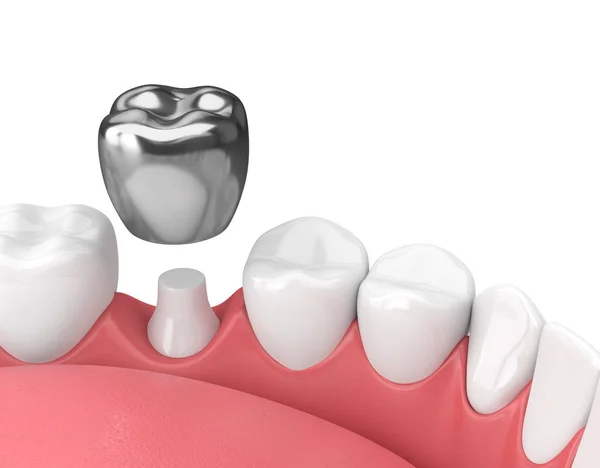
If you have been told you need a dental crown, you may be expecting the traditional process: tooth preparation, a temporary crown, a lab-made restoration, and a second appointment a few weeks later. In many cases, modern digital dentistry can make crown treatment faster. With CEREC® same-day crown technology, a permanent ceramic crown may be designed, milled, and placed in one visit when the tooth and treatment plan are a good fit.
At Ashland Family & Implant Dentistry, Dr. Ali Almaawi, DDS, FICOI uses advanced digital tools to help restore damaged, cracked, weakened, or decayed teeth efficiently. Same-day crowns can be a convenient option, but they are not automatically the right choice for every tooth. A careful exam helps determine whether a one-visit crown, traditional crown, or another restorative option will provide the best long-term result.
This guide explains how one-visit crowns work, when they can be permanent, how they compare with traditional crowns, and what to ask before treatment.
Can a Crown Really Be Permanent in One Visit?
Yes, in many cases. A same-day crown is not a temporary shortcut. When appropriate, the final ceramic restoration is created and bonded during the same appointment. Instead of wearing a temporary crown while an outside dental lab makes the final version, the digital scan, crown design, milling, fit check, and bonding can all happen in the office.
The key phrase is when appropriate. Some teeth are excellent candidates for one-visit crowns. Other cases may need a lab-made crown, different material, root canal treatment, gum treatment, or additional planning before the final restoration can be placed.
What Are CEREC Same-Day Crowns?
CEREC stands for Chairside Economical Restoration of Esthetic Ceramics. It is a digital dentistry system that allows a dentist to scan, design, mill, and place certain ceramic restorations in the office. For many single-tooth crown cases, this can eliminate messy impression material, temporary crowns, lab delays, and a second crown-placement visit.
A dental crown is a tooth-shaped cap that covers and protects a damaged tooth. Crowns are commonly used when a tooth is broken, weakened, badly worn, heavily filled, decayed, discolored, or restored after root canal therapy. They can also be used on dental implants or to support certain dental bridges.
For patients with busy schedules, CEREC technology can make restorative care more efficient while still allowing the dentist to design the restoration for bite, fit, comfort, and appearance.
How the One-Visit Crown Process Works
Same-day crowns are made possible by digital scanning and in-office CAD/CAM technology. Instead of sending impressions to an outside lab, the crown can often be designed and fabricated during the same appointment.
Here is what may happen during your visit:
- Exam and diagnosis: Dr. Almaawi evaluates the tooth, reviews symptoms, checks the bite, and determines whether a crown is the right treatment.
- Tooth preparation: Decay or weakened tooth structure is removed, and the tooth is shaped so the crown can fit securely.
- Digital scan: An intraoral scanner captures a 3D image of the prepared tooth and surrounding bite without traditional putty impressions in many cases.
- Digital crown design: The restoration is designed using CAD/CAM software to match the tooth shape, contact points, and bite.
- In-office milling: A ceramic block is milled into the crown using an on-site milling unit.
- Try-in and adjustments: The crown is checked for fit, shade, bite, and comfort before bonding.
- Final bonding: The crown is bonded to the tooth, polished, and adjusted so it feels comfortable when you bite.
The length of the appointment depends on the tooth, the condition of the surrounding structures, and the complexity of the case. Many same-day crown visits are completed in a single longer appointment, but your dentist will confirm what is realistic during your exam.
Same-Day Crowns vs. Traditional Crowns
Both same-day and traditional crowns are intended to restore and protect damaged teeth. The biggest difference is the workflow. A traditional crown is usually made by a dental lab and placed at a second visit. A same-day crown is designed and milled in the office when the case is appropriate.
A same-day crown may be helpful if you want fewer appointments, do not want a temporary crown, have a busy schedule, or need a single-tooth ceramic restoration. A traditional crown may still be recommended when a different material is needed, when multiple teeth are being restored, when the case involves a bridge, or when cosmetic or bite demands require additional lab support.
Neither option is automatically better for every patient. The right crown depends on the tooth, bite forces, material needs, esthetic goals, and long-term prognosis.
Are Same-Day Crowns Strong?
Same-day crowns are made from dental ceramics designed for strength, appearance, and function. For many single-tooth cases, they can be a durable and natural-looking option. However, strength depends on more than the technology. The material, tooth location, bite forces, crown design, bonding, home care, and grinding or clenching habits all matter.
In some situations, a lab-made crown or a different material may be recommended for added strength, esthetics, or case complexity. Dr. Almaawi will explain the pros and cons of each option so you can make an informed decision.
Who Is a Good Candidate for a One-Visit Crown?
A one-visit crown may be appropriate for many patients who need a single-tooth restoration. CEREC crowns may be considered for:
- Cracked or fractured teeth
- Broken or damaged teeth
- Large cavities when a filling is not enough
- Large or failing fillings
- Old crowns that need replacement
- Teeth weakened after root canal therapy
- Chipped or worn teeth that need full coverage
If you are not sure whether your tooth needs a filling, onlay, crown, or another treatment, an exam can help clarify the most conservative option that still protects the tooth.
When a Same-Day Crown May Not Be the Best Option
Same-day crowns are convenient, but some cases need a different approach. A traditional or lab-supported crown may be better if the case involves a multi-unit bridge, severe bite problems, very demanding front-tooth esthetics, deep fracture lines, limited remaining tooth structure, certain implant restorations, or material needs that are not ideal for in-office milling.
A tooth may also need additional care before any final crown is placed. For example, active decay, infection, gum inflammation, or nerve symptoms may need to be addressed first. If the tooth cannot be predictably restored, your dentist may discuss other options.
What to Expect After a Same-Day Crown
After your crown is placed, your bite should feel comfortable. Mild gum tenderness or temporary tooth sensitivity can happen after crown treatment, especially if the tooth was already irritated or the cavity was deep. This usually improves, but ongoing pain, pressure, or sensitivity should be checked.
Call the office if your crown feels high when you bite, if floss catches or shreds around the crown, if the crown feels loose, or if discomfort does not improve. Small adjustments can make a big difference in comfort and longevity.
How to Care for a Same-Day Crown
A crown protects the tooth, but the natural tooth structure and gumline around it still need daily care. To help your crown last as long as possible:
- Brush twice daily with fluoride toothpaste.
- Floss daily around the crown and nearby teeth.
- Keep regular dental cleanings and exams.
- Avoid chewing ice, hard candy, pens, or other hard objects.
- Wear a nightguard if your dentist recommends one for grinding or clenching.
- Schedule a visit if the crown feels loose, rough, painful, or different in your bite.
How Much Does a Same-Day Crown Cost?
The cost of a crown depends on the tooth, material, amount of damage, whether a buildup is needed, whether root canal treatment or gum treatment is required, and your dental insurance benefits. Many dental plans that cover medically necessary crowns may provide benefits for same-day crowns, but coverage varies by plan.
Before treatment begins, our team can review your recommended plan, estimated cost, insurance information, and payment options so you know what to expect.
One-Visit Crown Care for Ashland and Nearby Communities
Ashland Family & Implant Dentistry is located at 37 Main Street in Ashland and welcomes patients from nearby MetroWest communities. If you are looking for a dentist near Hopkinton, MA, our Ashland office offers restorative consultations, CEREC crown technology, preventive care, and cosmetic dentistry close to home.
Patients also visit from Holliston, Southborough, Framingham, Natick, Milford, and surrounding communities. Service-area pages are intended to explain access to the Ashland office and should not imply that the practice has separate offices in those towns.
Schedule a Crown Consultation
If you have a damaged, cracked, weakened, or painful tooth, a crown may help restore strength, comfort, and function. The best way to know whether a permanent one-visit crown is possible is to schedule an exam with Dr. Almaawi.
To get started, book an appointment online or call 508-881-7700. You can also view our Google Business Profile for directions, office details, and patient reviews.
Frequently Asked Questions About One-Visit Crowns
Are same-day CEREC crowns permanent?
Yes, when the final crown is designed, milled, and bonded during the visit, it is intended to be the permanent restoration. Your dentist will confirm whether your tooth is a good candidate before treatment.
How long does a one-visit crown appointment take?
The appointment length depends on the tooth and case complexity. Many same-day crown visits are completed in one longer appointment because the scan, design, milling, and placement happen in the office.
Do same-day crowns look natural?
Same-day crowns are made from tooth-colored ceramic and are designed to blend with nearby teeth. Shade, shape, bite, and gumline appearance are checked before final bonding.
Is a same-day crown better than a traditional crown?
Not always. A same-day crown can be faster and more convenient for many single-tooth cases. A traditional lab-made crown may be better for certain complex cases, esthetic demands, bridges, or material needs.
Will insurance cover a same-day crown?
Coverage depends on your dental plan and the reason the crown is needed. If a crown is medically necessary to restore a damaged tooth, benefits may apply. Our team can help review your plan before treatment.
Can I eat normally after a same-day crown?
After the crown is bonded and the numbness wears off, many patients can return to normal eating with care. Avoid very hard or sticky foods at first, and call the office if your bite feels high or uncomfortable.