
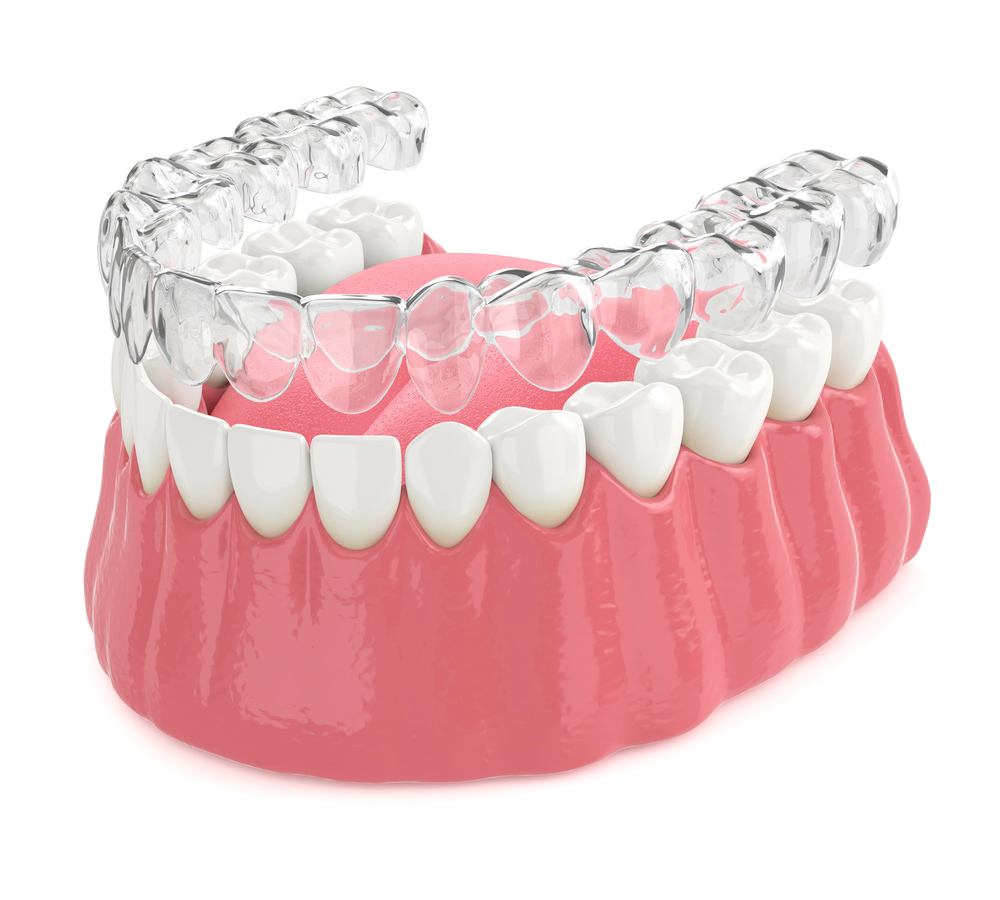
Proper Invisalign care in Ashland, MA can help keep your aligners clear, comfortable, and working according to your treatment plan. Daily cleaning, consistent wear, proper storage, and good oral hygiene all play an important role in maintaining progress.
At Ashland Family & Implant Dentistry, Dr. Ali Almaawi, DDS, FICOI, provides personalized clear-aligner guidance for patients in Ashland and surrounding MetroWest communities.
If an aligner is lost, cracked, uncomfortable, or no longer fits properly, call 508-881-7700 before moving to another tray or changing your wear schedule.
Why Proper Invisalign Aligner Care Matters
Clear aligners remain in close contact with the teeth for most of the day. Without regular cleaning, saliva, plaque, and food debris can collect on the trays and affect their appearance, odor, and comfort.
Proper care can help:
- Keep aligners clear and fresh
- Reduce plaque and odor buildup
- Protect the aligners from warping or damage
- Support healthy teeth and gums during treatment
- Maintain the fit prescribed for each stage
- Reduce avoidable interruptions in treatment
How to Clean Invisalign Aligners Every Day
Aligners should be cleaned daily and rinsed whenever they are removed. Follow the instructions provided by your dentist because individual recommendations may vary.
Rinse Your Aligners After Removal
Rinse the trays with cool or lukewarm water whenever you take them out. This helps prevent saliva and debris from drying on the aligner surface.
Avoid hot water because excessive heat may distort the plastic and affect how the aligners fit.
Brush Them Gently
Use a separate soft-bristled toothbrush to clean the inside and outside of each aligner. Apply light pressure to avoid scratching or damaging the trays.
A clear, mild liquid soap may be used when recommended. Rinse the aligners thoroughly before placing them back over your teeth.
Use an Approved Aligner-Cleaning Product
An approved clear-aligner cleaning product can help remove residue that rinsing and gentle brushing do not eliminate. Follow the product instructions and your dentist’s recommendations regarding soaking time and frequency.
Do not assume that every denture cleaner, mouthwash, homemade mixture, or household cleaning product is appropriate for clear aligners.
Rinse Thoroughly Before Reinserting
After brushing or soaking, rinse the trays carefully to remove cleaning residue. Inspect them for buildup, cracks, rough edges, or other changes before placing them back in your mouth.
Invisalign Cleaning Dos and Don’ts
Safe Aligner-Care Habits
- Wash your hands before handling your aligners
- Use cool or lukewarm water
- Use a soft-bristled toothbrush
- Clean the trays every day
- Rinse the trays whenever they are removed
- Use cleaning products approved for clear aligners
- Keep the aligner case clean and dry
Products and Methods to Avoid
- Hot or boiling water that may warp the trays
- Abrasive toothpaste that may scratch the surface
- Bleach or harsh household cleaners
- Strongly colored or scented soap that may leave residue
- Colored mouthwash that may stain the aligners
- Dishwashers, microwaves, or other heat-based cleaning methods
- Sharp objects used to scrape buildup from the trays
If your aligners have become cloudy, stained, cracked, uncomfortable, or difficult to seat, call 508-881-7700 or contact Ashland Family & Implant Dentistry for guidance.
How Long Should You Wear Invisalign Aligners Each Day?
Invisalign aligners are generally worn for 20 to 22 hours per day. They should remain in place except while eating, drinking beverages other than plain water, brushing, flossing, and cleaning the trays.
Your individual instructions may differ depending on your treatment plan. Follow the wear schedule provided by Dr. Almaawi rather than changing it based on general online advice.
Consistent wear helps each aligner apply the planned pressure to your teeth. Frequently leaving trays out for extended periods may affect their fit and delay progress.
Can You Eat or Drink While Wearing Invisalign?
Remove your aligners before eating. Chewing while wearing them can damage, distort, or stain the trays.
Plain water is generally the safest drink while the aligners are in place. Remove them before drinking coffee, tea, soda, juice, sports drinks, wine, or other beverages that may stain the trays or expose the teeth to sugar and acids beneath them.
After eating or drinking, brush and floss before reinserting your aligners whenever practical. At a minimum, rinse your mouth and clean the trays until you can complete your usual oral hygiene routine.
How to Care for Your Teeth During Invisalign Treatment
Cleaning the aligners is only one part of treatment. Plaque and food particles trapped between the trays and teeth may increase the risk of tooth decay, gum irritation, bad breath, and staining.
- Brush your teeth at least twice daily
- Floss every day
- Brush or rinse after meals before replacing your trays
- Clean carefully around any attachments
- Attend regular dental cleanings and examinations
- Report bleeding gums, persistent sensitivity, or tooth pain
Do not leave aligners out for long periods while waiting to brush. Carrying a small oral-care kit can make it easier to clean your teeth and replace the trays promptly.
How to Store and Handle Your Aligners
Place your aligners in their protective case whenever they are not in your mouth. Leaving them on a table, countertop, or napkin increases the chance of contamination, damage, or accidental disposal.
- Handle the trays with clean hands
- Remove them carefully from both sides
- Do not bend or twist them unnecessarily
- Keep them away from pets and young children
- Do not store them near heat or in direct sunlight
- Clean the storage case regularly
- Keep the previous tray when instructed in case it is needed
Invisalign Care While Traveling or Away From Home
A small travel kit can help you maintain your routine at work, school, restaurants, or while traveling.
Consider carrying:
- Your protective aligner case
- A travel toothbrush
- Toothpaste for your teeth
- Dental floss or floss picks
- A bottle of water
- An approved aligner-cleaning product
- Your previous aligner set when advised
- The dental office’s phone number
Do not wrap aligners in a tissue or napkin while eating. This is one of the easiest ways to lose or accidentally discard them.
What to Do If an Aligner Is Lost, Cracked, or Damaged
Contact the dental office before moving to the next tray, returning to a previous tray, or continuing to wear a damaged aligner. The correct response depends on where you are in the wear schedule and the condition of the tray.
Call the office when:
- An aligner is missing
- The tray has a visible crack or split
- A sharp edge is irritating your mouth
- The aligner has warped
- The tray no longer stays securely in place
- An attachment has come off
- You accidentally used the wrong aligner
Do not attempt to repair a cracked tray with glue or reshape it using heat.
What to Do If an Aligner Does Not Fit Properly
A new aligner may feel snug when first inserted. However, large gaps between the tray and teeth, an aligner that repeatedly lifts, or a tray that cannot be seated may require professional guidance.
Confirm that you are using the correct tray and that it is facing the proper direction. Do not bite down on hard objects or force an aligner into place.
Contact Ashland Family & Implant Dentistry if the tray does not fit after following your provided instructions, if an attachment is missing, or if you experience unusual or severe pain.
When Should You Switch to the Next Set of Aligners?
Change to the next set only according to the schedule provided by Dr. Almaawi. Switching too early may place inappropriate pressure on the teeth, while switching late may extend the treatment timeline.
Do not advance to the next tray simply because the current aligner feels loose. A looser fit may indicate that the tray has completed part of its work, but your prescribed wear period should still be followed.
Common Invisalign Care Mistakes
- Leaving aligners out for several hours at a time
- Eating while wearing the trays
- Drinking staining or sugary beverages with aligners in place
- Using hot water to clean them
- Scrubbing them with abrasive toothpaste
- Reinserting trays without cleaning the teeth
- Leaving aligners exposed instead of using the case
- Changing trays without following the prescribed schedule
- Ignoring a poor fit, damaged tray, or missing attachment
- Missing progress appointments
Why Regular Invisalign Progress Appointments Matter
Progress visits allow Dr. Almaawi to evaluate how the teeth are responding, check the fit of the aligners, inspect attachments, and determine whether treatment is moving according to plan.
These appointments also provide an opportunity to discuss discomfort, cleaning concerns, lost trays, changes in fit, and questions about your wear schedule. Skipping visits may allow small issues to interfere with progress.
Why Patients Choose Ashland Family & Implant Dentistry
- Personalized clear-aligner treatment planning
- Ongoing guidance throughout treatment
- Digital technology for evaluation and monitoring
- Comprehensive dental care in one office
- A patient-focused approach to questions and concerns
- A convenient Ashland location serving MetroWest communities
Patients considering cosmetic and orthodontic improvements can learn more about available treatment options through the practice’s cosmetic dentistry services.
You can also view Ashland Family & Implant Dentistry on Google Maps and get directions.
Frequently Asked Questions About Invisalign Care
How often should Invisalign aligners be cleaned?
Clean your aligners every day and rinse them whenever they are removed. Regular cleaning helps prevent plaque, odor, discoloration, and dried residue.
Can I brush Invisalign aligners with toothpaste?
Many toothpastes contain abrasive ingredients that may scratch the trays and make them appear cloudy. Use a soft toothbrush and a cleaning method recommended by your dentist.
Can I drink coffee or tea while wearing Invisalign?
Remove your aligners before drinking coffee, tea, or other beverages that may stain the trays. Plain water is generally the safest drink while aligners are being worn.
What happens if I do not wear my aligners enough?
Insufficient wear may affect aligner fit, slow tooth movement, and extend treatment. Follow the daily wear instructions provided for your individual case.
What should I do if I lose an aligner?
Call the dental office before changing trays or returning to a previous set. The appropriate step depends on your treatment stage and how long the aligner has been missing.
Is it normal for a new aligner to feel tight?
Mild pressure can occur when beginning a new tray. Contact the office if you experience severe pain, a tray that cannot be seated, a sharp edge, or a fit that does not improve as directed.
Should I keep my previous aligners?
Keep previous trays when instructed by the dental team. A previous aligner may occasionally be needed if a current tray is lost or damaged, but it should not be reused without professional guidance.
Get Invisalign Guidance in Ashland, MA
Consistent cleaning, daily wear, proper storage, and regular progress visits can help you protect your aligners and stay on track with treatment. Contact Ashland Family & Implant Dentistry if you have questions about cleaning, fit, wear time, attachments, or a lost or damaged tray.
Call 508-881-7700 to speak with the team or request an Invisalign consultation in Ashland, MA.
- Call Ashland Family & Implant Dentistry at 508-881-7700
- Explore cosmetic dentistry options in Ashland, MA
- Get directions to Ashland Family & Implant Dentistry on Google Maps
This article provides general educational information and does not replace the personalized instructions provided by your treating dentist. Follow the wear, cleaning, and tray-change schedule prescribed for your individual treatment plan.