
Discovering a cavity during a routine dental exam is a common experience for patients of all ages. When decay is caught early, the treatment is straightforward and the tooth can be restored quickly with minimal disruption to daily life. For patients seeking tooth-colored fillings in Ashland, MA, modern composite materials offer a durable and discreet way to repair a damaged tooth. Dr. Ali Almaawi, DDS, FICOI at Ashland Family and Implant Dentistry provides tooth-colored restorations that blend seamlessly with natural teeth for patients across Ashland, Framingham, Natick, and the broader MetroWest area.
What Are Tooth-Colored Fillings?
Tooth-colored fillings, also called composite fillings or ceramic fillings, use a resin-based material that is carefully matched to the shade of the surrounding tooth. Unlike traditional metal amalgam fillings, composite restorations are virtually invisible once placed. The material bonds directly to the tooth structure, creating a tight seal that helps prevent bacteria from re-entering the repaired area and causing secondary decay.
These fillings are used to treat cavities caused by decay, repair minor chips or cracks, and restore teeth that have been worn down by grinding or other mechanical forces. The versatility of composite material is one reason it has become the preferred choice in modern restorative dentistry for both front and back teeth.
How Composite Fillings Differ from Metal Amalgam
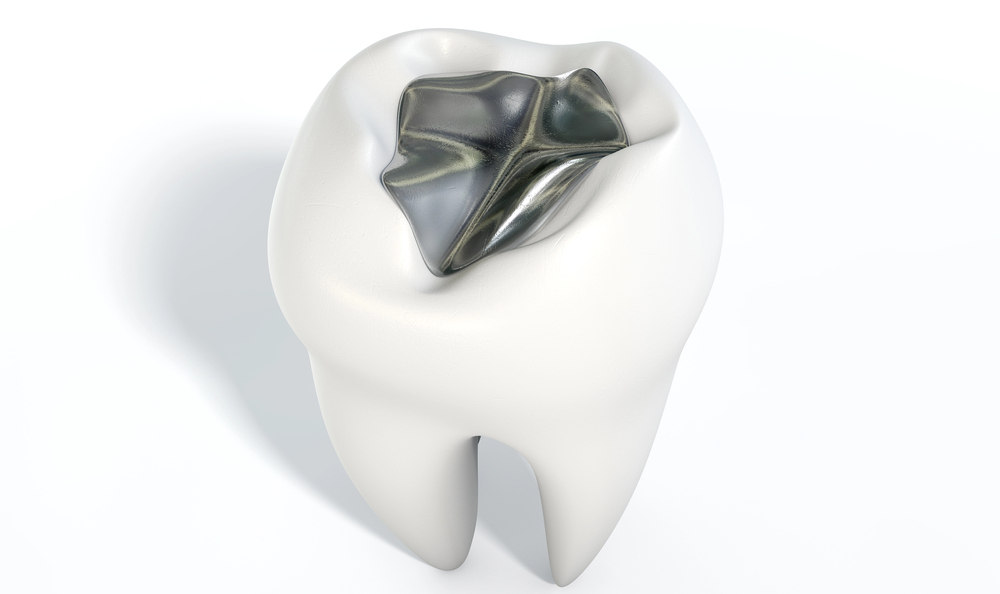
Metal amalgam fillings have been used for decades and remain structurally sound for large restorations in high-pressure areas. However, they are visually noticeable because of their silver-gray color and can darken over time. Composite fillings offer several practical advantages beyond aesthetics. Because composite bonds directly to the tooth, less natural tooth structure needs to be removed during preparation compared to amalgam. That matters because preserving healthy tooth material supports long-term structural integrity and reduces the likelihood of future fractures or complications that might require more extensive treatment.
Temperature Response and Structural Compatibility
Composite fillings respond to temperature changes similarly to natural tooth enamel, expanding and contracting at a comparable rate during eating and drinking. Metal fillings can expand more than the surrounding tooth structure over time, potentially creating micro-cracks in the enamel that allow bacteria to enter and cause new decay beneath the restoration. For patients in Ashland, Framingham, Hopkinton, and the MetroWest area who prefer a metal-free approach to dental care, composite fillings provide a reliable and aesthetically pleasing restoration option.
The Filling Process at Ashland Family and Implant Dentistry
Receiving a tooth-colored filling at Ashland Family and Implant Dentistry is a comfortable and efficient process. Dr. Ali Almaawi, DDS, FICOI begins by numbing the area around the affected tooth with local anesthesia to ensure the patient remains comfortable throughout the procedure. The decayed portion of the tooth is carefully removed using precise instruments while preserving as much healthy structure as possible.
Once the decay is cleared and the tooth is cleaned and prepared, the composite material is applied in thin layers. Each layer is hardened using a special curing light that activates the bonding process. Dr. Almaawi shapes and polishes the completed filling to match the natural contours of the tooth, ensuring a comfortable bite and a smooth surface that feels natural against the tongue and opposing teeth. Most filling appointments are completed in a single visit lasting approximately 30 to 60 minutes.
When Tooth-Colored Fillings Are Recommended
Early Detection Through Regular Exams
Fillings are most effective when decay is detected in its early stages, before it progresses to the inner pulp of the tooth. Regular dental exams with digital X-rays allow Dr. Almaawi to identify cavities that may not yet be visible during a visual inspection alone. Early detection is important because smaller cavities require less invasive treatment, preserve more of the natural tooth structure, and result in longer-lasting restorations.
Appropriate Cavity Sizes for Composite Fillings
Tooth-colored fillings are appropriate for small to moderate cavities in both front and back teeth. For larger areas of damage where more structural support is needed, Dr. Almaawi may recommend a dental crown, an inlay, or an onlay restoration instead. The goal is always to select the treatment that offers the best combination of durability, function, and preservation of the remaining natural tooth for long-term oral health.
How Long Do Composite Fillings Last?
With proper care, tooth-colored fillings typically last seven to ten years or longer depending on the location and size of the restoration. Their longevity is influenced by bite forces, dietary habits, and daily oral hygiene practices. Avoiding habits like chewing ice, biting pen caps, or using teeth as tools helps protect composite restorations from premature wear, chipping, or fracture.
Regular preventive visits at Ashland Family and Implant Dentistry allow Dr. Almaawi to monitor existing fillings for signs of wear, marginal staining, or edge breakdown. Catching a deteriorating filling early means it can be replaced before new decay develops underneath the old material, which is why consistent follow-up care is a practical investment in long-term dental health for patients throughout the MetroWest region.
Replacing Old Metal Fillings with Tooth-Colored Composite
Many patients choose to replace aging metal amalgam fillings with tooth-colored composite for both aesthetic and functional reasons. Over time, metal fillings can darken the surrounding tooth structure and may develop gaps at the margins where bacteria can infiltrate and cause new decay. Dr. Almaawi evaluates existing fillings during routine exams and discusses replacement options when a filling shows signs of deterioration or marginal breakdown.
The replacement process is similar to placing a new filling. The old metal restoration is removed, the tooth is carefully examined for any underlying decay or structural issues, and fresh composite material is bonded in place to create a seamless, natural-looking result. Patients from Holliston, Southborough, Milford, and across the MetroWest area benefit from having this care available with advanced diagnostic technology at Ashland Family and Implant Dentistry.
Frequently Asked Questions About Tooth-Colored Fillings in Ashland, MA
Are tooth-colored fillings as strong as metal fillings?
Modern composite materials have improved significantly in both strength and durability over the past decade. For small to moderate cavities, composite fillings perform comparably to metal amalgam restorations. Because they bond directly to the tooth, composites can actually reinforce the remaining tooth structure rather than simply occupying a prepared space, which is why many dentists now prefer them for the majority of cavity restorations.
Do tooth-colored fillings stain over time?
Composite fillings can pick up slight surface staining from coffee, tea, red wine, and tobacco over several years of daily use. However, regular professional cleanings and consistent oral hygiene help minimize noticeable discoloration. If staining becomes a concern, the filling can be polished or replaced to restore its original appearance.
Is the filling procedure painful?
The treatment area is numbed with local anesthesia before any work begins, so patients typically feel pressure but not pain during the procedure. Dr. Ali Almaawi, DDS, FICOI prioritizes patient comfort and ensures thorough numbing before initiating any treatment on the tooth.
Ashland Family and Implant Dentistry: Schedule a Filling Appointment
Dr. Ali Almaawi, DDS, FICOI provides comprehensive restorative care at Ashland Family and Implant Dentistry, serving patients from Ashland, Framingham, Natick, Hopkinton, Holliston, Southborough, Milford, and the broader MetroWest community. The practice uses digital imaging, advanced composite materials, and meticulous technique to deliver precise and comfortable restorations.
To learn more about tooth-colored fillings or schedule an appointment, visit the Ashland Family and Implant Dentistry website to explore available services, find helpful dental information on the blog, or use the contact page to get started. Call 508-881-7700 to book a visit.