
A persistent toothache can make eating, sleeping, and focusing on daily tasks feel overwhelming. When pain lingers or intensifies, it often signals that the inner tissue of a tooth has become damaged or infected. For patients exploring root canal treatment in Ashland, MA, understanding the procedure can replace uncertainty with confidence. Dr. Ali Almaawi, DDS, FICOI at Ashland Family and Implant Dentistry provides root canal care designed to relieve pain and preserve natural teeth for patients across Ashland and the MetroWest area.
What Is Root Canal Treatment and Why Is It Needed?
Root canal treatment addresses infection or damage inside a tooth. The innermost layer of each tooth, called the pulp, contains nerves and blood vessels that sustain the tooth during development. When decay, a crack, or trauma reaches this layer, bacteria can enter and cause infection. That infection can lead to intense pain, swelling, and abscess formation if left untreated.
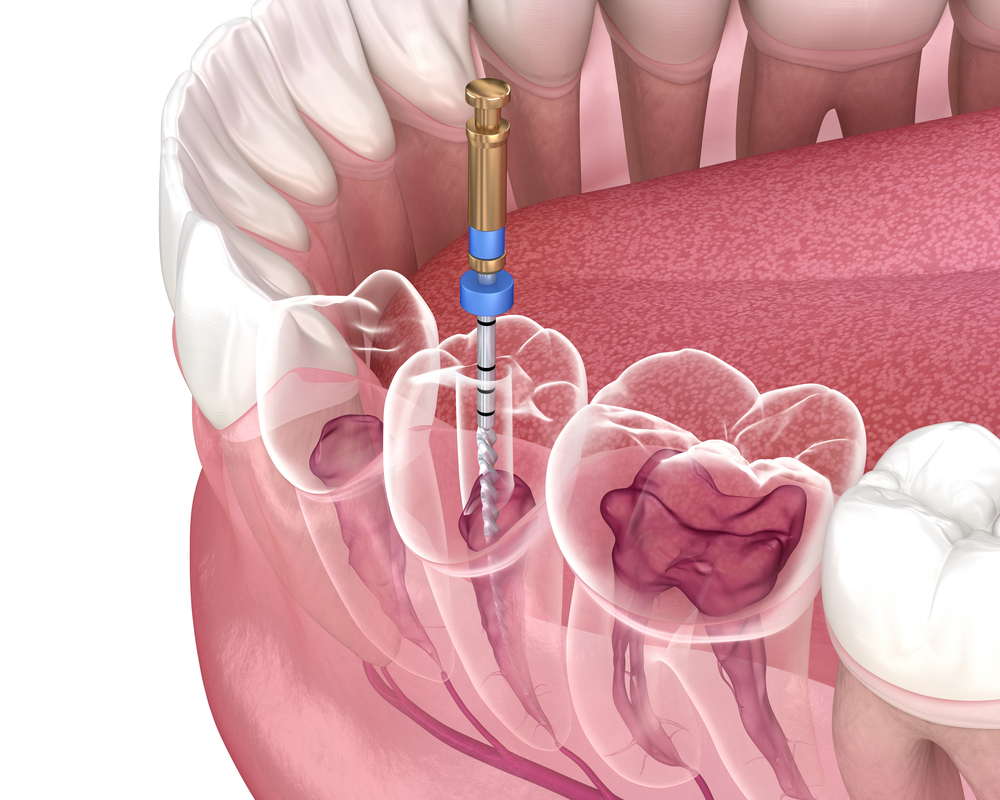
The procedure removes the damaged pulp, cleans and disinfects the interior of the tooth, and seals the space to prevent reinfection. Preserving the natural tooth structure is the goal, because keeping a natural tooth in place supports proper chewing function, maintains alignment of surrounding teeth, and protects jawbone density over time.
Signs That Root Canal Therapy May Be Necessary
Several symptoms may indicate that the pulp of a tooth has been compromised. Persistent or throbbing pain in a specific tooth, heightened sensitivity to hot or cold temperatures that lingers after the source is removed, darkening or discoloration of a tooth, swelling or tenderness in the surrounding gum tissue, and a small bump on the gums near the affected tooth are all signals worth investigating.
These symptoms do not always confirm that a root canal is needed, which is why a thorough evaluation with digital X-rays and a clinical examination is essential for accurate diagnosis. Dr. Ali Almaawi, DDS, FICOI uses advanced imaging technology to assess the condition of each tooth before recommending treatment.
How Dr. Ali Almaawi Performs Root Canal Treatment in Ashland, MA
At Ashland Family and Implant Dentistry, root canal treatment follows a careful, patient-centered process. Dr. Almaawi begins by numbing the tooth and surrounding area with local anesthesia so the procedure is comfortable from start to finish. A small opening is created in the crown of the tooth to access the pulp chamber and root canals inside.
The infected or damaged tissue is carefully removed using specialized instruments. Each canal is cleaned, shaped, and disinfected to eliminate bacteria thoroughly. Once the interior of the tooth is prepared, the canals are filled with a biocompatible material called gutta-percha and sealed to prevent future contamination. A dental crown is then placed over the treated tooth to restore its strength and protect it from fracture during everyday use.
Same-Day Crown Technology After Root Canal
Ashland Family and Implant Dentistry uses advanced CEREC technology, which allows Dr. Almaawi to design and mill a custom dental crown in a single appointment for qualifying cases. That matters because it reduces the total number of visits needed and eliminates the waiting period for a temporary crown. Patients from Ashland, Framingham, Natick, Hopkinton, and Holliston benefit from completing treatment and final restoration with fewer interruptions to daily routines.
Does Root Canal Treatment Hurt?
One of the most common concerns about root canal therapy is discomfort. The reality is that the procedure is performed under local anesthesia, and most patients report feeling little to no pain during treatment. The infection itself is typically the source of discomfort before the appointment, which is why patients often experience significant relief once the infected tissue is removed.
Post-procedure soreness is normal for a few days and is usually manageable with over-the-counter pain medication. Dr. Almaawi and the clinical team prioritize patient comfort at every step because a calm and relaxed patient allows for more precise work and a smoother recovery experience.
What Happens If a Root Canal Is Delayed?
Postponing treatment when a tooth is infected can lead to complications that become more difficult and costly to address. The infection can spread beyond the tooth into surrounding bone and soft tissue. An abscess may form, causing facial swelling and potential systemic health concerns if bacteria enter the bloodstream.
A tooth that could have been saved with timely root canal treatment may eventually require extraction. Replacing a missing tooth with a dental implant or bridge involves additional procedures, time, and investment. That matters because early intervention often preserves the simplest and most cost-effective path to restored oral health.
When to Seek Immediate Evaluation
Patients experiencing persistent tooth pain, facial swelling near a tooth, or a fever that accompanies dental symptoms should contact Ashland Family and Implant Dentistry promptly. Same-day appointments are available for patients in pain because dental infections can progress rapidly when left unaddressed. Call 508-881-7700 to speak with the team.
Recovery and Aftercare Following Root Canal Therapy
Most patients return to normal activities within a day or two after root canal treatment. Mild tenderness around the treated tooth is expected and typically fades within the first week. Dr. Almaawi recommends avoiding hard or crunchy foods on the treated side until the final restoration is placed and fully set.
Maintaining consistent oral hygiene supports long-term success of the treated tooth. Brushing twice daily, flossing regularly, and keeping scheduled preventive appointments help protect the restoration and the surrounding teeth. A properly restored tooth can function normally for many years, which is why the combination of root canal therapy and a protective crown is considered one of the most reliable treatments in restorative dentistry.
Frequently Asked Questions About Root Canal Treatment in Ashland, MA
Is a root canal better than having a tooth pulled?
Preserving a natural tooth is almost always the preferred option when it is clinically possible. A root canal allows the tooth to remain in place, supporting normal bite function and preventing the shifting of adjacent teeth. Extraction creates a gap that typically requires replacement with an implant, bridge, or denture, which involves additional time and cost.
How long does a root canal appointment take?
Most root canal procedures at Ashland Family and Implant Dentistry are completed in one visit lasting approximately 60 to 90 minutes, depending on the complexity of the tooth. Molars with multiple canals may require slightly longer treatment time. Dr. Ali Almaawi, DDS, FICOI uses digital imaging and precise instrumentation to work efficiently while maintaining thoroughness.
Can a tooth that has had a root canal get infected again?
Reinfection is uncommon but possible if the seal is compromised or if new decay develops around the restoration. Placing a well-fitted crown and maintaining consistent oral hygiene significantly reduce this risk. Regular dental exams at Ashland Family and Implant Dentistry allow Dr. Almaawi to monitor treated teeth and address any concerns early.
Ashland Family and Implant Dentistry: How to Schedule Root Canal Treatment
Dr. Ali Almaawi, DDS, FICOI brings over 20 years of clinical experience and advanced training, including Fellowship with the International Congress of Oral Implantologists, to every procedure at Ashland Family and Implant Dentistry. Patients from Ashland, Framingham, Natick, Hopkinton, Holliston, Southborough, Milford, and across MetroWest choose this practice for comfortable, thorough dental care.
To learn more about root canal treatment or schedule an appointment, visit the Ashland Family and Implant Dentistry website to explore available services, read additional patient resources on the blog, or use the contact page to book a visit. Call 508-881-7700 to speak with the team today.