
A chipped front tooth, a small gap, or a stain that does not respond to whitening can make you feel self-conscious in photos, meetings, and everyday conversations. If the concern is minor and the tooth is otherwise healthy, dental bonding may be a gentle way to improve the appearance of your smile without a more involved cosmetic procedure.
At Ashland Family and Implant Dentistry, Dr. Ali Almaawi, DDS, FICOI helps patients understand whether bonding is the right option for their tooth, goals, timeline, and budget. Bonding can be a conservative choice for small cosmetic repairs, but it is not the best solution for every chipped, stained, cracked, or uneven tooth.
This guide explains what dental bonding can fix, how the process works, how it compares with veneers and crowns, and what to know before scheduling a consultation.
What Is Dental Bonding?
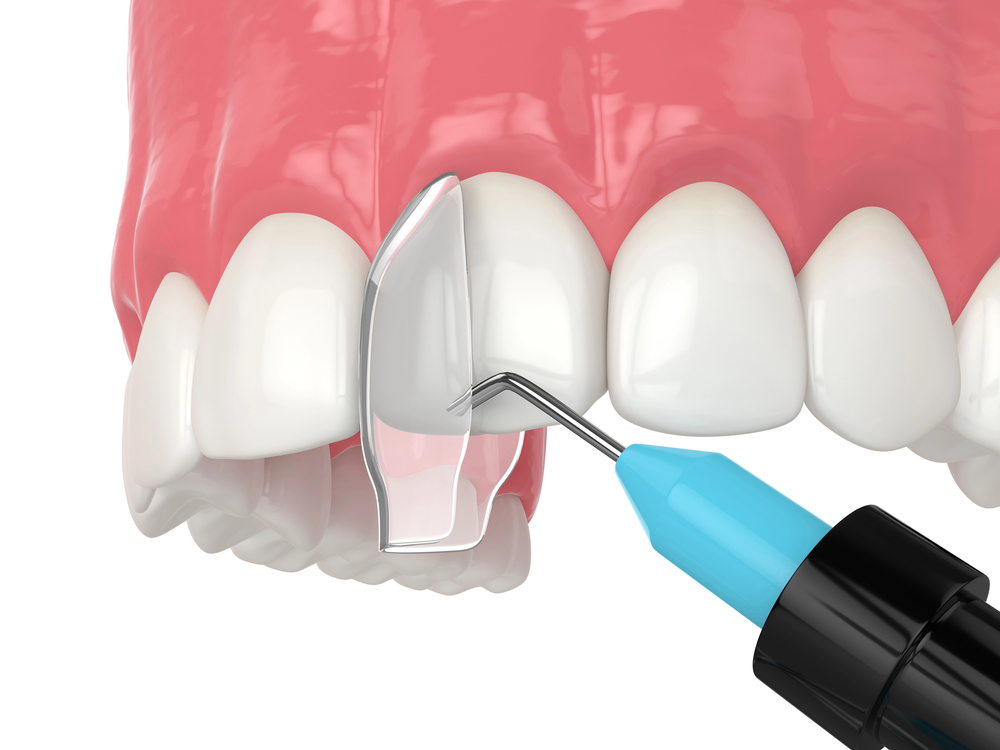
Dental bonding is a cosmetic and restorative procedure that uses tooth-colored composite resin to repair or reshape part of a tooth. The resin is placed directly onto the tooth, sculpted into the desired shape, hardened with a special curing light, and polished so it blends with the surrounding enamel.
Bonding is often used for small visible flaws because it usually requires little or no removal of natural tooth structure. In many cases, it can be completed without anesthesia, especially when the repair is limited to the surface of the tooth and does not involve decay or deeper damage.
What Problems Can Dental Bonding Fix?
Dental bonding may be recommended when a patient wants a conservative improvement for a small or moderate cosmetic concern. It can often help with:
- Small chips on front teeth
- Minor cracks or worn edges
- Small gaps between teeth
- Teeth that look slightly short, uneven, or misshapen
- Localized discoloration that does not improve enough with whitening
- Minor cosmetic reshaping before considering veneers or crowns
For a small chip, bonding can rebuild the missing tooth shape. For certain stains, the resin can mask discoloration on the visible surface. For small gaps or uneven edges, bonding can make the smile look more balanced without orthodontics in select cases.
When Bonding May Not Be the Best Choice
Dental bonding is useful, but it has limits. It may not be the best option if a tooth has a large fracture, active decay, significant bite stress, heavy wear, severe discoloration, or too little healthy tooth structure. Bonding on biting edges can also chip or wear faster, especially for patients who grind, clench, bite nails, chew ice, or use their teeth as tools.
Depending on your exam, Dr. Almaawi may recommend another option:
- Teeth whitening if the main concern is overall tooth color.
- Veneers if you want a longer-lasting cosmetic change across several front teeth.
- Crowns if a tooth is cracked, heavily filled, weakened, or needs more structural protection.
- Clear aligners or orthodontics if tooth position or bite alignment is the main issue.
- Restorative treatment if decay, tooth wear, or old dental work needs to be addressed first.
How the Dental Bonding Process Works
The bonding process starts with an exam and a conversation about what you want to change. Dr. Almaawi will check the tooth, surrounding teeth, bite, gum health, and the size of the chip, stain, gap, or uneven area. This helps determine whether bonding is appropriate or whether another treatment would provide a better long-term result.
If bonding is the right fit, treatment may include:
- Shade selection: A composite resin shade is chosen to match nearby teeth.
- Tooth preparation: The tooth surface is cleaned and lightly conditioned so the resin can bond securely.
- Resin placement: The tooth-colored material is added in layers and shaped carefully.
- Curing: A special light hardens the resin.
- Finishing and polishing: The bonded area is adjusted, smoothed, and polished for a natural look and comfortable bite.
Many small bonding cases can be completed in one visit, but the exact timing depends on the number of teeth involved, the size of the repair, whether decay is present, and whether any other dental care is needed first.
Is Dental Bonding Good for Stained Teeth?
Bonding can help cover certain localized stains, especially when discoloration is limited to one tooth or a small area. However, it is not always the first choice for general yellowing or staining across many teeth. In those cases, whitening may be more conservative and more cost-effective.
It is also important to know that composite resin does not whiten the same way natural enamel does. If you are considering whitening and bonding, your dentist may recommend whitening first, then matching the bonding material to your brighter shade.
Dental Bonding vs. Veneers vs. Crowns
Bonding, veneers, and crowns can all improve the look of teeth, but they solve different problems. Bonding is usually the most conservative option for small repairs. Veneers are often used for a more complete cosmetic change across the visible front teeth. Crowns cover more of the tooth and may be recommended when a tooth needs added strength or protection.
Here is a simple way to compare them:
- Bonding: Best for small chips, minor gaps, localized stains, or conservative reshaping.
- Veneers: Best for broader cosmetic changes involving tooth shape, size, color, or smile symmetry.
- Crowns: Best when a tooth needs more coverage because of cracks, large fillings, heavy wear, or structural weakness.
If you are comparing cosmetic options, our cosmetic dentistry page is a helpful place to learn about treatments that can be combined or sequenced based on your goals.
How Long Does Dental Bonding Last?
The lifespan of dental bonding varies. It depends on where the bonding is placed, how much biting force it receives, your home care routine, your diet, and habits such as clenching, grinding, nail-biting, or chewing ice. Bonding can often be repaired or refreshed, but it is generally less stain-resistant and less durable than porcelain restorations.
During regular checkups, your dental team can monitor bonded areas for staining, roughness, small chips, or changes in your bite. Catching small issues early can help protect both the bonding and the natural tooth underneath.
How to Care for Bonded Teeth
Bonded teeth should be cared for like natural teeth, with a few extra precautions. To help your bonding last as long as possible:
- Brush twice daily with a non-abrasive toothpaste.
- Floss daily around bonded and natural teeth.
- Keep regular dental cleanings and exams.
- Avoid biting ice, pens, fingernails, or other hard objects.
- Limit stain-heavy foods and drinks if bonding is on visible front teeth.
- Ask about a nightguard if you grind or clench your teeth.
If a bonded area feels sharp, rough, loose, or different when you bite, schedule a dental visit so it can be checked and adjusted.
How Much Does Dental Bonding Cost?
The cost of dental bonding depends on the number of teeth treated, the size and location of the repair, whether decay or damage must be treated first, and whether the bonding is cosmetic or medically necessary. Insurance coverage varies. Some plans may contribute when bonding repairs a damaged tooth, but purely cosmetic bonding may not be covered.
Before treatment begins, our team can review the recommended plan, estimated fees, and payment options so you can make an informed decision.
Dental Bonding for Ashland and Nearby Communities
Ashland Family and Implant Dentistry is located at 37 Main Street in Ashland and welcomes patients from nearby MetroWest communities. If you are looking for a dentist near Hopkinton, MA, our Ashland office offers cosmetic consultations, preventive care, restorative dentistry, and smile-enhancing treatments close to home.
Patients also visit from surrounding communities such as Holliston, Southborough, Framingham, Natick, and Milford. Service-area pages are intended to explain access to the Ashland office and should not imply that the practice has separate offices in those towns.
Schedule a Cosmetic Bonding Consultation
If you have a small chip, stain, gap, or uneven edge, bonding may be a conservative way to improve your smile. The best way to know whether it is right for you is to schedule an exam and consultation with Dr. Almaawi.
To get started, book an appointment online or call 508-881-7700. You can also view our Google Business Profile for directions, office details, and patient reviews.
Frequently Asked Questions About Bonding for Chipped or Stained Teeth
Is dental bonding painful?
Dental bonding is often comfortable because it usually involves little or no removal of tooth structure. Anesthetic may not be needed for a small cosmetic repair, but it may be used if decay is being treated or if the tooth is sensitive.
Can bonding fix a chipped front tooth?
Yes, bonding is commonly used to repair small chips on front teeth. The dentist adds tooth-colored composite resin, shapes it to restore the missing edge, and polishes it to blend with the rest of the tooth.
Can bonding cover tooth stains?
Bonding can cover some localized stains, but it is not always the best choice for widespread discoloration. If many teeth are stained, whitening or veneers may be better options depending on the cause of the discoloration.
Does dental bonding stain over time?
Composite resin can pick up stains over time, especially from coffee, tea, red wine, tobacco, and other stain-heavy habits. Regular cleanings and good home care can help, but bonding may eventually need polishing, repair, or replacement.
Is bonding better than veneers?
Bonding may be better for small, conservative repairs and shorter timelines. Veneers may be better for a broader cosmetic change or longer-lasting stain resistance. The right choice depends on your tooth structure, goals, budget, and bite.
Is dental bonding covered by insurance?
Coverage depends on your plan and the reason for treatment. Bonding used to repair a damaged tooth may receive partial coverage, while purely cosmetic bonding may not. Our team can help review your benefits before treatment.