
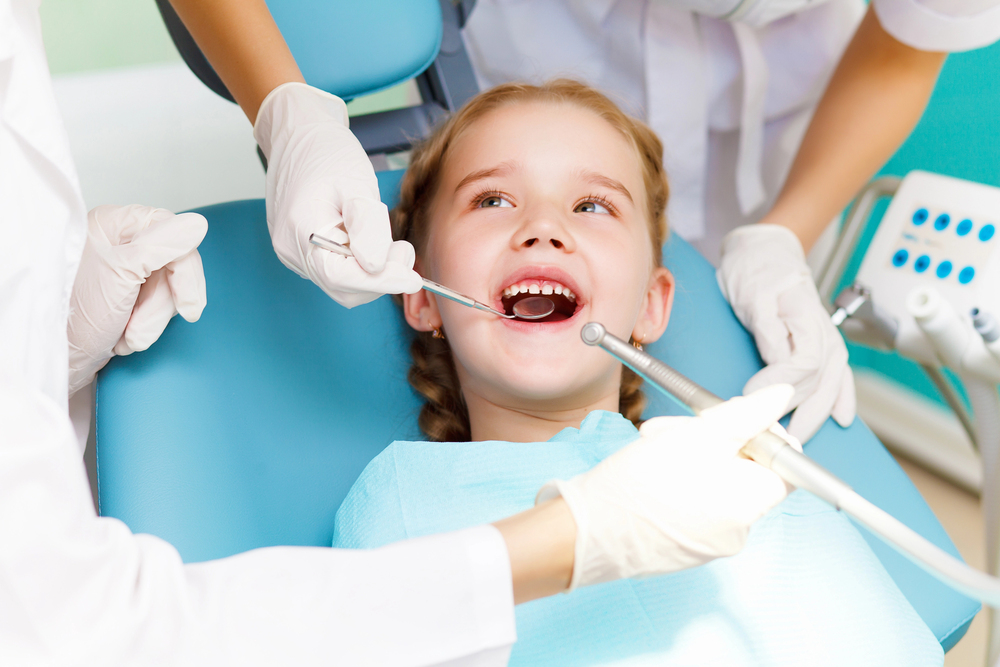
Your child’s first comprehensive dental exam should happen when their first tooth appears or no later than their first birthday. Although this may seem early, baby teeth can develop decay soon after they erupt, and an early visit gives parents practical guidance for protecting their child’s developing smile.
The American Academy of Pediatric Dentistry recommends establishing a dental home within six months after the first tooth erupts and no later than 12 months of age. A dental home provides an ongoing relationship through which a child can receive preventive, routine, and urgent oral healthcare as they grow.
At Ashland Family and Implant Dentistry, Dr. Ali Almaawi, DDS, FICOI provides gentle dental care for children in Ashland and nearby MetroWest communities. Early appointments help parents understand their child’s oral development while allowing children to become familiar with the dental office in a supportive setting.
Is Your Child Ready for Their First Dental Visit?
Call 508-881-7700 or request your child’s dental appointment online with Ashland Family and Implant Dentistry.
When Should Your Child First Visit the Dentist?
Parents should schedule the first dental visit within six months after the first tooth appears or by the child’s first birthday, whichever happens first.
This recommendation is supported by both the American Academy of Pediatric Dentistry’s early childhood oral-health guidance and the American Dental Association’s recommendations for preventing early childhood cavities.
If your child is already older than one and has never seen a dentist, there is no need to feel embarrassed or discouraged. Schedule an appropriate appointment now rather than waiting for pain, visible decay, or another problem to develop.
Why Does the First Dental Exam Happen So Early?
A child’s first teeth play an important role in eating, speech development, appearance, and maintaining space for permanent teeth. They are also vulnerable to cavities from the time they begin erupting.
An early dental visit allows the dentist to:
- Check newly erupted teeth for signs of decay.
- Evaluate the gums, jaw, bite, and oral development.
- Identify individual cavity risk factors.
- Discuss brushing and fluoride use.
- Review feeding, bottle, cup, and snacking habits.
- Answer questions about teething, pacifiers, or thumb-sucking.
- Help parents recognize signs that require dental attention.
- Establish a dental home before an urgent problem occurs.
The purpose is not simply to find cavities. The first exam creates an opportunity to prevent problems and provide guidance suited to the child’s age, development, and needs.
What Is a Dental Home?
A dental home is the ongoing relationship between a child, their family, and a dental provider. It includes preventive care, comprehensive evaluations, treatment when needed, emergency guidance, and referrals when specialized care is appropriate.
The American Academy of Pediatric Dentistry recommends establishing this relationship no later than 12 months of age. Having a dental home means parents know where to turn when they have questions about their child’s teeth or when an unexpected dental concern arises.
What Happens During a Child’s First Comprehensive Dental Exam?
A first dental visit is generally gentle, age-appropriate, and focused on prevention. The exact appointment varies depending on the child’s age, development, cooperation, dental history, and oral-health needs.
During the exam, Dr. Ali Almaawi may evaluate:
- The number and condition of erupted teeth
- Early white, brown, or dark areas that may indicate enamel changes or decay
- The gums and other soft tissues in the mouth
- Jaw growth and bite development
- The way primary teeth are erupting
- Signs of dental injury or infection
- Oral habits such as thumb-sucking or pacifier use
- The child’s individual risk of developing cavities
For infants and young toddlers, the examination may be completed with the child sitting on a parent’s lap. This can help the child feel secure while giving the dentist an appropriate view of the mouth.
Will My Child Receive a Cleaning or Dental X-Rays?
A cleaning, fluoride varnish, dental X-rays, or another preventive service may be recommended based on the child’s age, dental development, cooperation, and cavity risk. These services are not automatically necessary at every first visit.
Dental X-rays are prescribed when the dentist determines that the images are needed to answer a diagnostic question or evaluate an area that cannot be examined visually. The dentist can explain why an image is or is not recommended for your child.
Fluoride varnish may be considered after teeth begin erupting. The Centers for Disease Control and Prevention explains how fluoride helps prevent cavities and recommends discussing appropriate fluoride products with a dentist or pediatrician.
What Will Parents Learn During the First Visit?
A significant part of an infant or toddler dental visit involves answering the parent’s questions and providing personalized preventive guidance.
Topics may include:
- How to brush newly erupted teeth
- How much fluoride toothpaste to use
- When a child may begin helping with brushing
- How feeding and snacking patterns affect cavity risk
- Whether the household’s drinking water contains fluoride
- How bottles and cups should be used around bedtime
- What to expect during teething
- How pacifier use or thumb-sucking may affect development
- How to respond to a chipped, injured, or knocked-out tooth
- When the child should return for another dental visit
How Should You Brush an Infant’s or Toddler’s Teeth?
Begin brushing when the first tooth appears. Use a soft, age-appropriate toothbrush and gently clean the front, back, and chewing surfaces of each erupted tooth.
The American Dental Association recommends using no more than a rice-grain-sized smear of fluoride toothpaste for children younger than three. Children from three through six should use no more than a pea-sized amount. Parents should supervise brushing and help children avoid swallowing toothpaste.
Children usually need hands-on help with brushing until they have developed enough coordination to clean every tooth effectively. Parents can encourage independence while still checking and completing the brushing process.
Why Are Baby Teeth Important?
Baby teeth eventually fall out, but they still have several important functions. They help children chew comfortably, pronounce words, smile confidently, and maintain space for permanent teeth.
Untreated decay in a primary tooth may cause pain, infection, difficulty eating, or disrupted sleep. Dental problems can also make it harder for a child to concentrate at school or participate comfortably in everyday activities.
Protecting primary teeth supports the child’s current health while helping prepare the mouth for the permanent teeth that will follow.
How Can You Prepare Your Child for the First Dental Exam?
Preparation should be calm, simple, and appropriate for the child’s age. Avoid describing the appointment with language that may unintentionally create fear.
- Schedule the visit at a time when your child is usually rested.
- Explain that the dentist will count and look at their teeth.
- Read a positive, age-appropriate book about visiting the dentist.
- Practice opening wide while you count the child’s teeth at home.
- Allow the child to bring a small comfort item when appropriate.
- Avoid promising that nothing will feel uncomfortable.
- Do not use words such as “hurt,” “shot,” or “drill” when they are not relevant.
- Keep your own tone relaxed and positive.
Children often take emotional cues from their parents. Presenting the visit as a normal part of staying healthy can help create a more comfortable introduction to dental care.
Have Questions About Your Child’s First Appointment?
Our team can explain what to bring, what the visit may include, and how to prepare your child. Call 508-881-7700 to speak with Ashland Family and Implant Dentistry.
What Should You Bring to the Appointment?
Bringing relevant information can help the dental team understand your child’s health and provide appropriate guidance.
- Dental insurance information, when applicable
- A list of medications your child currently takes
- Relevant medical conditions or allergies
- Information about previous dental injuries or concerns
- Your child’s usual brushing, feeding, and snacking routine
- Questions you want to discuss with the dentist
- A comfort item that helps your child feel secure
Tell the dental team about health conditions, developmental needs, sensory sensitivities, or previous healthcare experiences that may affect the appointment. This information can help the team adapt its approach.
What If Your Child Cries or Does Not Cooperate?
Crying, hesitation, or limited cooperation can be normal during an infant or toddler’s first dental visit. A young child may be cautious around unfamiliar people, sounds, or surroundings.
The appointment does not have to look perfect to be useful. Even a brief examination can give the dentist important information and help the child begin becoming familiar with the dental environment.
A calm, patient approach is generally more productive than forcing a child through every possible part of an appointment. The dental team can prioritize immediate needs and gradually build trust over future visits.
How Often Should Children Have Dental Exams?
The appropriate schedule depends on the child’s age, oral health, cavity risk, development, and treatment needs. Many children are evaluated at regular six-month intervals, but some may need more frequent monitoring while others may follow a different schedule recommended by their dentist.
Regular preventive visits allow the dentist to monitor changes as new teeth erupt, reinforce home-care habits, and respond to concerns before they become more difficult to manage.
Parents can learn more about ongoing care in our guide to scheduling preventive dental checkups for the family.
When Should a Child See the Dentist Before a Routine Visit?
Do not wait for the next scheduled checkup when your child has symptoms or experiences an injury that may require prompt attention.
Contact a dentist when you notice:
- Tooth pain or sensitivity
- Swelling of the gums, face, or jaw
- A broken, chipped, loose, or knocked-out tooth caused by an injury
- Bleeding that does not stop
- A darkening tooth following trauma
- White, brown, or black areas on a tooth
- Difficulty chewing or refusal to eat because of mouth discomfort
- A sore, lump, or unusual area that does not improve
- Concerns about delayed or unusual tooth eruption
Facial swelling, infection, uncontrolled bleeding, significant pain, and oral trauma may constitute dental emergencies. Call 508-881-7700 for guidance when you are uncertain about the urgency of your child’s symptoms.
Supporting Healthy Smiles Between Dental Visits
Daily habits at home have a major influence on a child’s cavity risk. Parents and caregivers can support oral health by:
- Brushing the child’s teeth twice each day.
- Using the age-appropriate amount of fluoride toothpaste.
- Helping or supervising until the child can brush effectively.
- Offering water regularly.
- Limiting frequent exposure to sugary drinks and snacks.
- Avoiding putting a child to bed with a bottle containing milk, formula, juice, or another sweetened beverage.
- Following recommendations for fluoride varnish and dental sealants when appropriate.
- Keeping preventive dental visits according to the recommended schedule.
Families coordinating multiple appointments may also find our guide to scheduling family dental cleanings on the same day helpful.
Children’s Dental Care in Ashland, MA
Ashland Family and Implant Dentistry provides preventive and comprehensive dental care for children and adults in one location. This can make it easier for parents to coordinate appointments and establish consistent oral-health routines for the household.
Dr. Ali Almaawi, DDS, FICOI takes time to explain findings, answer parents’ questions, and help children become more comfortable with dental care at an appropriate pace.
The practice welcomes families from Ashland and surrounding MetroWest communities who are looking for a long-term dental home.
Frequently Asked Questions About a Child’s First Dental Exam
Should my child visit the dentist when the first tooth appears?
Yes. Parents should schedule the first dental visit within six months after the first tooth erupts and no later than the child’s first birthday.
Is age three too late for a first dental appointment?
Age three is later than the recommended first-visit timeline, but you should not delay further. Schedule an appointment so the dentist can evaluate your child’s teeth and help establish an appropriate preventive-care routine.
Does a one-year-old really need a comprehensive dental exam?
Yes. The exam is adapted to the child’s age and may be brief, but it can identify early signs of decay, evaluate development, assess cavity risk, and give parents personalized home-care guidance.
Will my child need dental X-rays at the first visit?
Not necessarily. Dental X-rays are recommended according to the child’s symptoms, development, history, examination findings, and diagnostic needs rather than age alone.
What if my child has no teeth by their first birthday?
You may still schedule a visit to discuss oral development and preventive care. The dentist can evaluate the mouth and determine whether the eruption pattern requires monitoring or further assessment.
How much toothpaste should my toddler use?
Children younger than three should use no more than a rice-grain-sized smear of fluoride toothpaste. Children from three through six should use no more than a pea-sized amount and should be supervised while brushing.
What if my child cries during the appointment?
Crying can be a normal reaction for an infant or toddler in an unfamiliar environment. It does not mean the visit failed. The dental team can complete the most important parts of the assessment while helping your child gradually become more comfortable.
How often should my child return after the first exam?
The dentist will recommend a schedule based on your child’s age, development, oral health, and cavity risk. Many children return at six-month intervals, but the appropriate timing is individualized.
Schedule Your Child’s First Dental Exam in Ashland
Starting dental visits early can give your child a familiar place to receive preventive care while giving you reliable guidance as their smile develops. Whether your baby’s first tooth recently appeared or your older child has not yet had a dental exam, Ashland Family and Implant Dentistry can help you take the next step.
Call 508-881-7700 or schedule your child’s comprehensive dental exam online. You can also view Ashland Family and Implant Dentistry on Google Maps for directions and practice information.